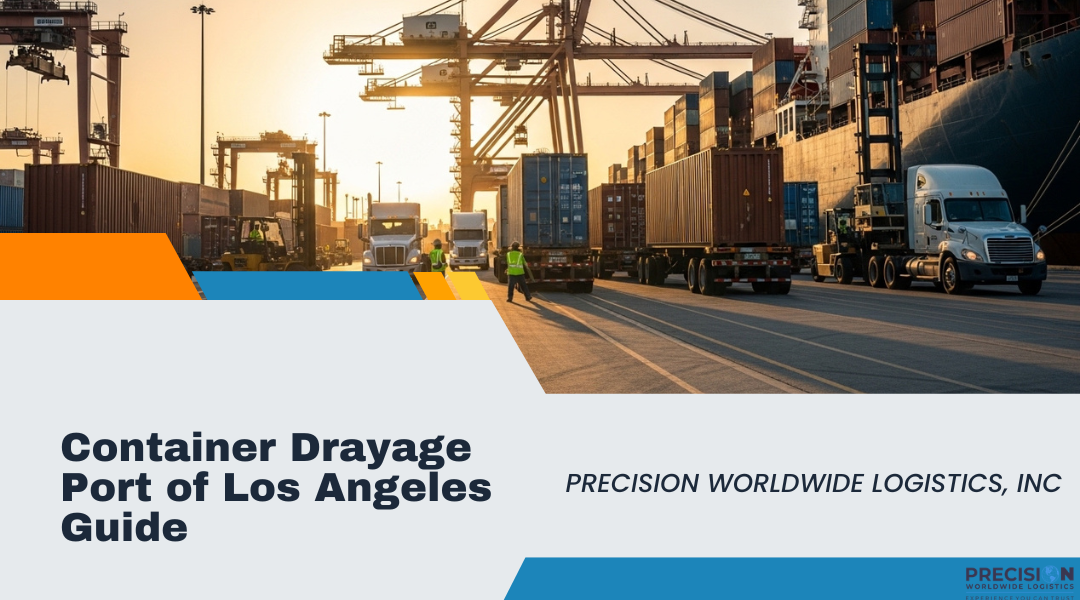
Moving containers from the Port of Los Angeles to your inland facility requires more than just hiring a truck. Container drayage near the Port of Los Angeles involves coordinating terminal releases, chassis availability, appointment windows, and compliance requirements while managing costs that can quickly escalate if any step gets delayed. The port handles over 9 million TEUs annually, making it the busiest container gateway in the United States. Your ability to move freight efficiently through this system directly impacts your demurrage charges, inventory timing, and customer satisfaction.
Understanding what to expect from near-port drayage services helps you avoid common pitfalls that catch unprepared importers off guard. The difference between smooth container flow and costly delays often comes down to knowing how terminals operate, what drayage companies can realistically deliver, and where your freight goes after it leaves the port. From terminal congestion to chassis shortages, the Los Angeles drayage market presents specific challenges that require planning and partnerships with experienced providers.
This guide walks you through the operational realities of port drayage, explains how containers move from terminal to inland destinations, and shows you the cost and timing tradeoffs you need to consider. You’ll learn what asset-based drayage providers like Precision Worldwide Logistics in La Mirada can offer and how to structure your container moves for better reliability and lower total costs.
Throughput Realities at the Port of Los Angeles
The Port of Los Angeles handles over 9 million TEUs annually, making it the busiest container port in the United States. Understanding how containers move through terminals, gate systems, and storage timelines helps shippers plan more effectively and avoid costly delays.
Vessel Discharge Cycles and Terminal Variability
Container terminals at the Port of Los Angeles operate on different discharge schedules based on vessel size and terminal capacity. Large vessels carrying 10,000+ TEUs typically require 24 to 48 hours for complete discharge. Smaller vessels finish in 12 to 18 hours.
Each terminal has its own operational rhythm. Some facilities use automated gates and equipment that speed up container processing. Others rely on traditional methods that can add time to your pickup schedule.
You should expect variability between terminals even when vessels arrive on the same day. One terminal might release your container within 6 hours of discharge while another takes 24 hours or more. This depends on terminal expertise, equipment availability, and current congestion levels.
The ports of Los Angeles and Long Beach combined handle significant ocean freight volume. Peak seasons create bottlenecks that extend discharge cycles across all terminals.
Appointment Systems and Gate Constraints
All container terminals require appointment systems for truck entry. You cannot simply arrive and expect immediate access to your containers. Most terminals open appointment slots 3 to 5 days before your container becomes available.
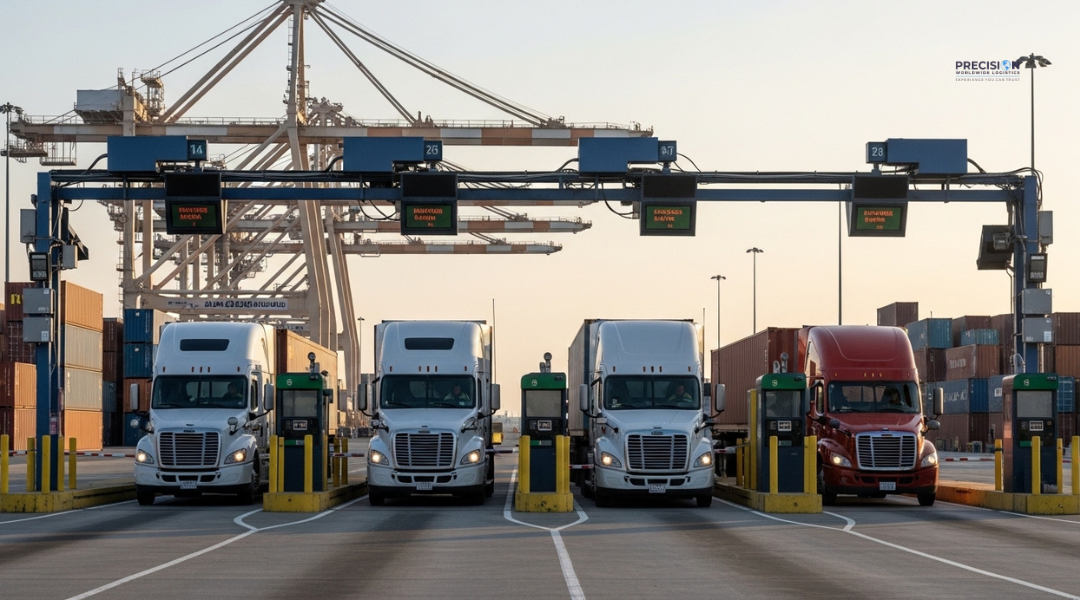
Popular time slots fill quickly during high-volume periods. Morning appointments between 7 AM and 10 AM are hardest to secure. You may need to accept afternoon or evening slots to avoid delays.
Gate constraints limit how many trucks can enter per hour. Even with an appointment, you might wait 30 to 90 minutes during congested periods. Some terminals process 40 trucks per hour while others handle 60 or more.
Automated gates at newer terminals reduce wait times but require specific documentation and electronic data interchange capabilities. Missing paperwork means automatic rejection at the gate.
Demurrage Timelines and Storage Pressure
Free time for containers typically ranges from 3 to 5 days after the container becomes available for pickup. After that, demurrage charges begin accumulating daily. Standard rates start at $75 per day and increase to $150 or more after 6 days.
Port congestion during peak seasons reduces your flexibility to retrieve containers within free time. When terminals operate at 75% to 80% capacity, appointment availability shrinks dramatically.
Storage pressure increases when multiple vessels discharge simultaneously. Container stacks grow higher and retrieval takes longer. You might face delays even with confirmed appointments because your container sits buried under others.
Port moves for repositioning containers within terminals add 12 to 24 hours to your pickup timeline. This happens frequently when terminals manage thousands of TEUs daily and space becomes limited.
Scope and Limits of Near-Port Drayage
Drayage services near the Port of Los Angeles operate within specific boundaries that you need to understand before your container arrives. The control your trucking company has over the process shifts depending on terminal rules, documentation status, and routing decisions.
What Drayage Controls After Discharge
Your drayage provider takes control once the container is available for pickup at the terminal. This means customs clearance must be complete and container release must be issued by the ocean carrier before any trucking company can move your cargo.
The drayage service handles these specific tasks:
- Securing a terminal appointment slot
- Dispatching a driver with proper credentials
- Providing chassis equipment or accessing the chassis pool
- Moving the container to your specified location within the local service area
- Delivering proof of delivery documentation
Your trucking company cannot speed up customs processing or container release. If your shipment is on customs hold, the container stays at the terminal and demurrage charges start adding up. The drayage provider only moves containers that are legally cleared and released for pickup.
Where Terminal Policy Overrides Carrier Efficiency
Each terminal at the Port of Los Angeles sets its own operating rules that your trucking company must follow. These policies directly affect when your container can be picked up, regardless of your drayage provider’s capabilities.
Terminal appointment systems limit daily pickup volumes. Even if your trucking company has available drivers, they cannot retrieve your container without a confirmed appointment slot. During peak seasons or congestion periods, appointment availability may be days away.
Gate hours restrict pickup windows. Some terminals close evenings and weekends, which delays container shipments even when your cargo is released and ready. Your drayage provider works within these hours and cannot override terminal schedules.
When Intermodal Routing Changes Expectations
Your container may move through different handling points before reaching your warehouse. If you choose rail transport to the Inland Empire or another distribution hub, drayage happens in two separate stages.
The first drayage move takes your container from the terminal to the on-dock rail facility. The second move happens after the train reaches the inland ramp. This split means different trucking companies may handle each leg, and your timeline extends beyond a direct port-to-door delivery.
Transload operations also change the scope. If your container goes to a transload facility for cargo sorting or cross-docking, the drayage service ends at that facility. Moving the cargo to final destinations becomes a separate trucking arrangement.
Container Flow From Terminal to Inland
After containers arrive at the Port of Los Angeles, they move through a structured process involving chassis assignment, highway routing, and staging decisions. Your ability to navigate these steps affects delivery speed and costs.
Chassis Allocation and Equipment Positioning
Chassis availability remains one of the biggest challenges you’ll face when moving containers from the port. You need a chassis to transport each container, but shortages occur frequently during peak seasons.
Most drayage providers maintain their own chassis pools or participate in chassis-sharing programs. When you arrange container pickup, the trucker must secure a chassis before entering the terminal. Some terminals offer on-dock chassis, while others require drivers to pick up equipment from nearby depots.
GPS tracking helps you monitor where your chassis and containers are at all times. This technology lets you see if delays happen at the terminal gate or during transit.
Your containers may sit waiting for chassis even after they’re discharged from the ship. This delay adds to dwell time and can trigger per diem charges. Working with a drayage company that has reliable chassis access protects you from these extra fees.
Freeway Corridors Linking Port to Regional Hubs
The Port of Los Angeles created designated heavy container corridors for overweight containers. These routes allow 40-foot and larger containers to travel on specific city streets without special permits.
Most container moves from the port use the I-710, I-110, and I-405 freeways. The I-710 connects directly to major rail ramps and warehouse districts in eastern Los Angeles County. Your freight typically travels these corridors to reach distribution centers in Ontario, Riverside, and the Inland Empire.
Traffic congestion affects delivery times throughout the day. Early morning pickups between 6 AM and 9 AM often provide faster transit than afternoon moves. Your drayage provider should know which routes and times work best for your specific delivery locations.
Yard Staging Versus Immediate Warehouse Transfer
You have two main options after terminal pickup: take containers directly to your warehouse or stage them at a near-dock yard first.
Direct warehouse transfer works best when you can unload immediately. Your driver picks up the container and delivers it straight to your facility. This approach minimizes handling and gets products on your shelves faster.
Yard staging gives you flexibility when your warehouse isn’t ready. Near-dock facilities store containers on chassis, making them easy to retrieve when you need them. These yards operate extended hours and reduce pressure on your receiving dock.
Free-flow operations combine both approaches. Drayage companies move containers from terminal blocks to nearby staging yards within a mile of the port. This reduces terminal congestion and keeps your chassis in a closed loop between the yard and your distribution center.
Operational Perspective From La Mirada
La Mirada sits approximately 20 miles east of the Port of Los Angeles, offering a strategic midpoint between port operations and Southern California’s inland distribution networks. Companies operating from this location balance direct terminal access with warehousing capacity and regional reach.
Dispatch Alignment at Precision Worldwide Logistics, Inc.
Precision Worldwide Logistics, Inc. operates from La Mirada with systems designed to coordinate appointment windows at multiple terminals. Their dispatch teams monitor container availability and match it with driver schedules to reduce idle time. Real-time tracking allows them to adjust routes based on terminal congestion or last-minute appointment changes.
The company uses terminals like APM, TraPac, and Everport regularly. Their drivers maintain Clean Truck Program compliance and TWIC credentials. Communication between dispatch and terminal gate systems happens through direct portal access, which cuts down on delays caused by outdated information.
You benefit from this coordination when containers are released outside normal business hours. La Mirada’s location allows drivers to reach most terminals within 45 minutes during off-peak times.
Integrating Drayage With Inland Warehousing
Many importers use La Mirada facilities to combine drayage with short-term warehousing. Containers arrive from the port and move directly into storage or cross-dock operations. This approach reduces per-diem charges at the terminal while giving you time to coordinate final delivery.
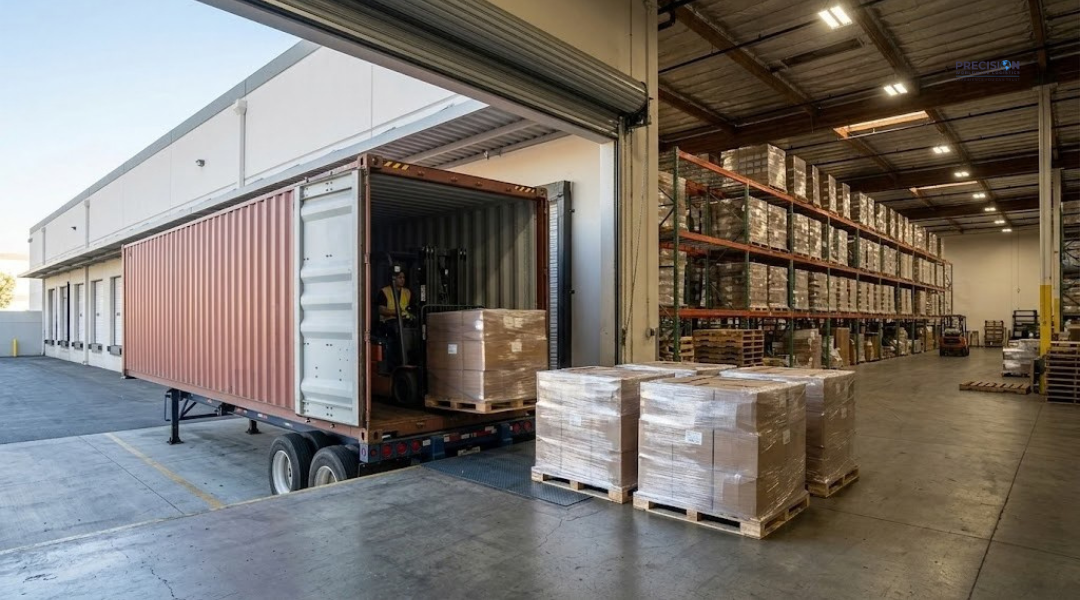
Cross-dock services let you break down full container loads into smaller shipments. Products can be sorted, labeled, or repackaged before moving to regional distribution centers. Warehousing in La Mirada costs less than comparable space closer to the port, though transit time increases by 30 to 60 minutes.
Your drayage provider should confirm whether their rate includes warehouse drop-off or if additional handling fees apply. Some facilities charge separately for unloading, storage, and reload onto outbound trucks.
Balancing Port Proximity With Regional Distribution
La Mirada provides access to major highways including I-5, I-605, and CA-60. This connectivity supports deliveries throughout Los Angeles County, Orange County, and the Inland Empire. While not as close as San Pedro or Carson, the reduced congestion often results in faster total transit times for inland destinations.
You gain flexibility when your drayage partner operates from this area. They can service both port pickups and deliveries to warehouses in Ontario, Riverside, or Fontana without repositioning equipment across long distances. Chassis availability also tends to be better at inland facilities compared to port-adjacent yards during peak seasons.
Cost, Risk, and Timing Tradeoffs
Container movement near the Port of Los Angeles requires balancing competing priorities. Lower rates often mean slower service, while rushed cargo can strain available capacity and raise costs.
Speed Versus Appointment Predictability
Fast container pickup looks attractive on paper, but speed often conflicts with reliable scheduling. When you book drayage at competitive rates below pre-pandemic levels, carriers may prioritize higher-paying time-sensitive freight over your standard shipments. This creates unpredictable appointment windows at distribution centers.
Premium rates buy preferential treatment during peak periods. Freight forwarders working with multiple carriers can sometimes secure better appointment slots through established relationships, but you pay for that access. The gap between economy and premium drayage service has widened as record cargo volumes strain the system.
Your 3PL or broker should clearly explain what service level each rate includes. Cheaper options may add three to five days to your transit time when terminals are busy. Budget accordingly if your supply chain can absorb the delay.
Storage Extension Versus Rapid Transloading
Leaving containers at the terminal costs less initially than immediate transloading to your warehouse. Terminal dwell times are currently low, which gives you temporary flexibility. However, demurrage and detention charges accumulate quickly once free time expires.
Transloading moves cargo from ocean containers into domestic equipment faster. This approach frees up containers and chassis but requires coordination with transload facilities near the port. The upfront cost is higher, but you avoid per-diem charges and container return deadlines.
Distribution centers further inland face different math. Extended dwell at the port plus longer drayage distance increases total cost compared to near-port transloading followed by less-than-truckload shipments to multiple destinations.
Capacity Strain During Peak Import Cycles
The Port of Los Angeles recently handled its highest June and July volumes in over 100 years. During these surges, carriers focus on premium freight and delay routine containers. Your standard service rate may not guarantee timely pickup when everyone competes for limited equipment and driver hours.
Chassis availability at terminals remains strong, but equipment moving inland can face shortages at rail hubs. Advance booking two to three weeks out helps secure capacity during peak periods. Brokers and freight forwarders with larger carrier networks can sometimes find alternatives when your primary option is fully booked.
Supply chain performance suffers when importers assume normal capacity during abnormal volume spikes. Build buffer time into schedules rather than counting on the fastest possible transit.