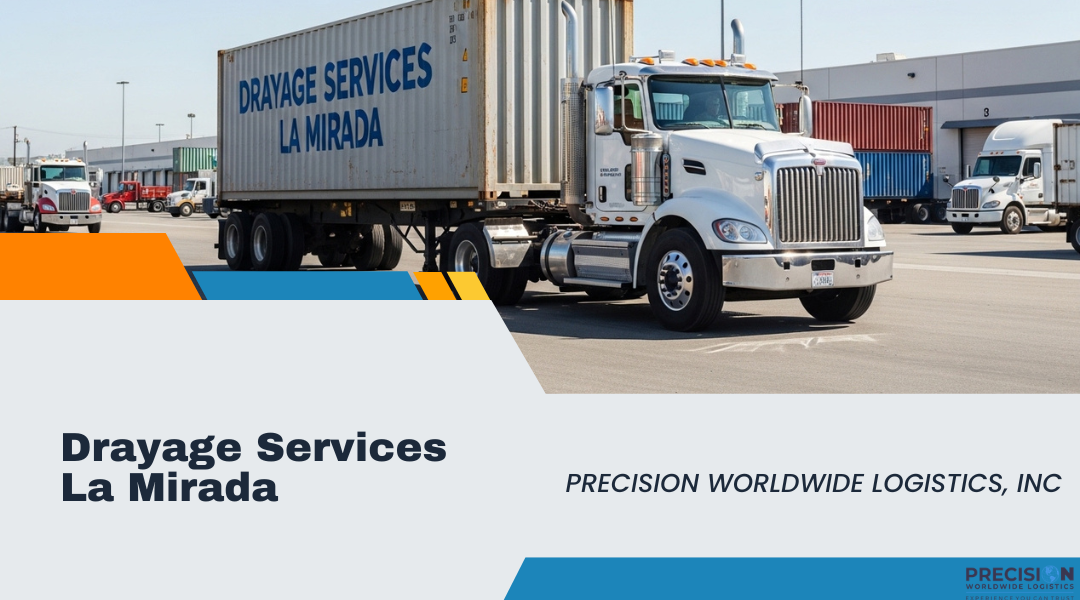
La Mirada sits 18 miles from downtown Los Angeles and close to two of the nation’s busiest seaports. This location gives businesses a clear advantage when moving containers from port to warehouse. Drayage services, which handle the short-haul transportation of containers from ports to nearby facilities, become faster and more reliable when your warehouse is positioned near major shipping hubs.
When your goods travel shorter distances between the Port of Los Angeles or Port of Long Beach and your storage facility in La Mirada, you cut down the time containers spend in transit and reduce delays caused by traffic or port congestion. This means your inventory reaches your warehouse faster, ships to customers sooner, and helps you avoid costly storage fees at the port. The difference between a facility 18 miles from the port versus one 50 miles inland can mean the difference between same-day container pickup and multi-day delays.
Understanding how location affects your drayage turnaround time helps you make smarter decisions about where to store your products. This article breaks down the specific advantages La Mirada offers for drayage operations, what factors influence container movement in Southern California, and what tradeoffs you should consider when choosing between port-adjacent and inland-centered logistics strategies.
Port-To-Inland Distance And Time Compression
La Mirada’s position between major ports and inland distribution points creates natural advantages for drayage operations. The physical distance from port terminals and the efficiency of connecting routes directly determine how fast containers move through the supply chain.
Terminal Proximity And Dispatch Sequencing
La Mirada sits approximately 20 miles from the Port of Long Beach and 25 miles from the Port of Los Angeles. This short distance allows drayage providers to complete multiple port runs in a single day rather than just one or two. Your containers spend less time in transit and more time being processed at warehouses.
Local drayage companies in La Mirada can optimize dispatch sequencing based on real-time port conditions. When a chassis becomes available at the terminal, drivers can reach the facility within 30-45 minutes under normal traffic. This quick response time reduces dwell fees and keeps your cargo moving.
The proximity also enables better coordination with terminal appointment systems. Drivers based near La Mirada can adjust their schedules more easily when appointments shift or delays occur at the port.
Freeway Corridors And Choke Points
Primary drayage routes from LA port facilities to La Mirada use three main corridors:
- I-710 North to I-5: Most direct route but experiences heavy congestion during peak hours
- I-710 to CA-91 East: Alternative route that bypasses some bottlenecks
- Surface streets through industrial zones: Used for final delivery segments
The I-710 corridor handles the majority of port drayage traffic in the Los Angeles area. Your shipments face potential delays at the I-710/I-405 interchange and near the Port of Long Beach exit zones. Experienced local drayage providers know which hours to avoid these choke points.
Traffic patterns shift throughout the day. Morning runs from 5 AM to 8 AM typically move faster than midday trips. Drayage services Los Angeles operators schedule their port pickups around these windows to compress transit times from 90 minutes down to 35-40 minutes.
Appointment Windows And Inland Staging
Port terminals operate on strict appointment systems that control when trucks can enter and retrieve containers. Your drayage provider must secure these windows in advance, often 24-48 hours ahead. La Mirada’s location allows drivers to reach multiple terminals within their scheduled slots without rushing.
When appointments run late or get canceled, nearby staging areas become essential. Facilities in La Mirada offer temporary container storage so trucks don’t sit idle at congested port gates. You pay less in detention charges when your drayage operations can quickly pivot to alternate locations.
Key timing factors:
| Stage | Typical Duration | La Mirada Advantage |
|---|---|---|
| Port gate entry | 15-45 minutes | Flexible rescheduling |
| Container retrieval | 20-30 minutes | Multiple daily attempts |
| Transit to warehouse | 35-60 minutes | Reduced by 30-40% |
| Inland receiving | 15-25 minutes | Pre-arranged dock access |
Short-distance trucking from ports to La Mirada warehouses means your containers reach inland facilities the same day they clear customs. This compression eliminates overnight delays common with longer intermodal shipping routes.
Operational Boundaries Within Southern California
La Mirada’s position creates advantages for container drayage, but physical proximity alone doesn’t guarantee faster service. Port congestion patterns and facility capacity limitations can override geographic benefits when demand exceeds operational thresholds.
What La Mirada Proximity Can Influence
La Mirada sits approximately 20 miles from the Ports of Los Angeles and Long Beach. This distance puts your cargo within a one-hour drive under normal traffic conditions. The city’s location also places it near major rail ramps in Los Angeles, giving you access to both port and rail terminals without extensive travel time.
Your supply chain benefits when drayage trucks complete more daily trips. Shorter routes mean drivers can make multiple pickups and deliveries in a single shift. This frequency helps reduce delays because containers move faster from port to warehouse.
La Mirada’s access to Interstate 5, State Route 91, and Interstate 605 creates direct pathways to intermodal facilities. These corridors connect you to distribution centers throughout Southern California. The reduced mileage also lowers fuel costs and vehicle wear, which can translate to more competitive pricing for your drayage services.
What Port Congestion Still Controls
Port bottlenecks override location advantages when terminals reach capacity. You might be 20 miles from the port, but wait times at gate entrances can add hours to pickup schedules. Peak season volumes and labor slowdowns create delays that affect all drayage operations regardless of your warehouse location.
Congestion factors you cannot control:
- Terminal appointment availability
- Chassis shortages at rail ramps
- Extended container dwell times
- Gate operating hours
Your proximity to ports becomes less valuable when containers sit in holding patterns. Demurrage fees accumulate even for nearby facilities. Rail terminals experience similar constraints during high-volume periods. The entire drayage network slows when infrastructure cannot process the container volume, making timely deliveries harder to guarantee.
When Geography Loses Priority To Capacity
Warehouse capacity determines whether your location advantage produces actual benefits. A facility near the ports with no available dock doors offers no speed improvement. Your ability to receive containers quickly depends on having space to unload and store cargo when it arrives.
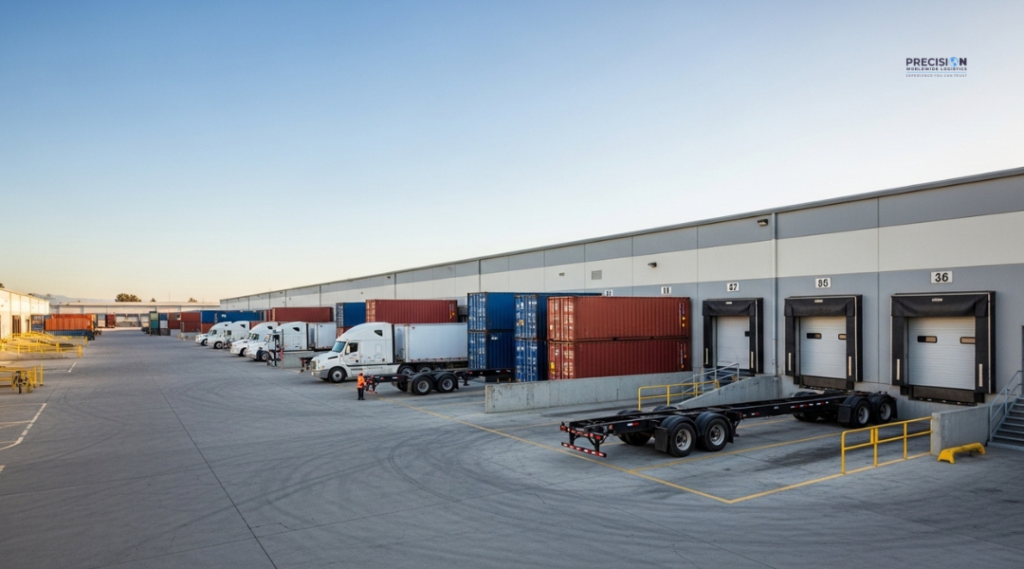
Equipment availability also limits geographic benefits. A shortage of chassis or trucks creates delays that location cannot solve. Your drayage provider needs sufficient fleet capacity to handle your volume regardless of distance.
Labor constraints impact operations throughout Southern California. Driver shortages affect all service areas equally. When carriers lack personnel, your proximity becomes irrelevant because no one is available to move your containers from port to destination.
Interpreting Turnaround Time From La Mirada
La Mirada’s location advantage only delivers real value when paired with operational systems that keep containers moving. The physical distance from port terminals means little if internal workflows create bottlenecks that add hours to turnaround time.
Asset Control And Dispatch Alignment At Precision Worldwide Logistics, Inc.
Asset-based operations eliminate the most common delay in drayage: waiting for third-party equipment. When you work with Precision Worldwide Logistics, your containers move on owned chassis pulled by company trucks. This control means dispatchers assign equipment to your shipment without negotiating with outside carriers or competing for scarce chassis at port terminals.
Real-time dispatch coordination starts before your container is available for pickup. The system monitors vessel discharge schedules and terminal release times, pre-positioning trucks to arrive when containers are ready. Most drayage providers rely on brokers who may add 2-4 hours to turnaround time just coordinating resources.
The difference shows in the numbers. Average turnaround time drops from the industry standard of 24-48 hours to same-day or next-day delivery in many cases. Your container moves from terminal to La Mirada facility within 30-45 minutes of pickup, then immediately begins unloading or transitions to storage.
Yard Configuration And Container Flow Discipline
Physical layout determines how quickly containers move through a facility. The La Mirada yard positions receiving docks adjacent to departure bays, minimizing internal travel distance. Containers destined for immediate transloading enter dedicated fast-track lanes that bypass standard queue systems.
Designated staging zones separate incoming containers by priority level. Hot shipments needing immediate attention don’t wait behind routine transfers. Color-coded parking spots and digital yard management systems guide drivers to exact locations, eliminating confusion that adds minutes to each move.
Gate processing uses license plate recognition and pre-registration to clear trucks in under two minutes. Traditional facilities average 10-15 minutes per gate transaction. Container status updates happen automatically when units cross threshold sensors, giving you visibility without manual check-in procedures.
Coordinating Drayage With Warehousing Transitions
The shortest turnaround times happen when drayage and local warehousing operate as one continuous workflow. Containers arriving at the facility receive immediate dock assignments based on available unloading capacity. No waiting for warehouse staff to finish previous shipments.
Synchronized scheduling systems coordinate inbound drayage with warehouse labor allocation. When your container is 10 minutes out, dock crews prepare equipment and clear space. The container rolls directly from chassis to dock door without sitting in the yard.
This coordination matters most for inventory replenishment cycles. Your goods move from container to warehouse racking within hours of port pickup, becoming available for order fulfillment the same day. Intermodal containers can transfer contents directly onto outbound trucks, combining drayage pickup with distribution departure. Warehousing and drayage function as integrated services rather than separate transactions that add handoff delays.
Tradeoffs In Inland-Centered Drayage Strategy
Choosing an inland-centered drayage hub like La Mirada means balancing faster delivery to distribution centers against higher per-mile costs and potential demurrage risks. You’ll need to weigh immediate savings from port-adjacent operations against the flexibility and speed that inland locations provide for your last-mile distribution.
Speed Versus Cost Structuring
When you position your drayage operations inland, you pay more per container move than port-adjacent alternatives. The distance from ports like Los Angeles or Long Beach to La Mirada adds fuel surcharge expenses and driver hours to each load.
However, you gain faster access to inland distribution networks. Containers reach warehouses and retail locations quicker because they start closer to final destinations. This speed advantage helps you avoid demurrage charges that pile up when containers sit at port terminals waiting for pickup.
Your cost structure shifts from port storage fees to inland handling expenses. Port-adjacent facilities charge less for the initial move but force you to pay more for distribution. Inland facilities like those in La Mirada reverse this pattern. You spend more upfront on drayage but less on final delivery.
Port Adjacency Versus Inland Flexibility
Port-adjacent drayage limits your ability to serve multiple distribution zones efficiently. You save on the initial container move but create bottlenecks when shipping to inland markets.
La Mirada’s inland position gives you direct access to the Inland Empire, Orange County, and Los Angeles County markets. Your containers don’t need additional transloading steps to reach these areas. This cuts handling time and reduces the risk of damage during transfers.
The flexibility matters most when you manage mixed cargo types. Some containers go directly to retail stores while others need warehouse processing. An inland hub lets you route each container type efficiently without backtracking to coastal facilities.
Scalability During Peak Import Cycles
Peak import seasons strain port-adjacent facilities with congestion and equipment shortages. Chassis availability drops and appointment slots become scarce. These constraints slow your entire operation.
Inland facilities experience less severe peaks because they draw from a wider geographic area. When one port faces delays, you can redirect containers through alternative terminals and still reach your La Mirada hub efficiently.
Your ability to scale depends on chassis strategy and warehouse capacity. Inland locations typically maintain better chassis availability because they’re not competing with the concentrated demand at port gates. This stability helps you maintain consistent turn times even when import volumes spike 30-40% above normal levels.