Running an Amazon FBA business in California means navigating one of the busiest trade gateways in the world. Between imports flowing through the Ports of Los Angeles and Long Beach, warehouse space in high demand, and strict Amazon compliance standards, efficiency at every step matters. Your success depends on how well you connect drayage, prep, and fulfillment into a smooth, cost-effective operation.
You deal with tight timelines, container congestion, and storage limits that can quickly impact your FBA inventory flow. The right 3PL partner helps you move from port to shelf with control and precision. By blending drayage, transloading, and fulfillment under one roof, you reduce delays and build a consistent logistics rhythm for your eCommerce business.
Precision Worldwide Logistics, Inc., based in La Mirada, supports this balance with asset-based drayage, warehousing, and over-the-road transportation designed for Amazon sellers. You gain a single, trusted link between ocean freight and Amazon fulfillment centers—a model built for reliability, compliance, and speed, without adding unnecessary cost or complexity.
Operational Context for FBA Import Flows
Managing imports for Fulfillment by Amazon (FBA) in California involves balancing SKU demand patterns, timing port activities, and deciding how your inbound freight moves into Amazon’s network. These factors shape how efficiently your products reach fulfillment centers and how much flexibility you have to meet order volume.
SKU Velocity and Restock Frequency Patterns
Your SKU velocity determines how often you should restock inventory and how much buffer stock to hold near major fulfillment centers. Fast-moving products often need shorter restock cycles, while low-turn SKUs can be replenished less frequently. Tracking sell-through rates lets you plan inbound shipments without tying up excessive storage.
In California’s dense logistics network, many sellers keep inventory in third-party warehouses near the Ports of Los Angeles and Long Beach. This setup allows quick response when Amazon issues restock limits or modifies storage thresholds. Using these local facilities, you can stage goods, break down cartons, or repackage units before inbounding to FBA.
Example table for planning restocks:
| SKU Type | Velocity | Restock Cycle | Storage Approach |
|---|---|---|---|
| High-volume | Daily to weekly | Frequent | Near-port staging center |
| Medium-volume | Biweekly | Scheduled | Local 3PL warehouse |
| Low-volume | Monthly or longer | As-needed | Shipped direct-to-FBA |
When Port-Based Routing Affects FBA Timelines
Your FBA inbound schedule depends heavily on where your cargo clears customs and how containers move through California’s port system. Congestion at Los Angeles or Long Beach can slow drayage transfers to your warehouse or an Amazon fulfillment center. Seasonal demand spikes or labor slowdowns also introduce volatility in transit times.
Selecting alternate gateways like Oakland or using off-dock container yards can reduce trucking bottlenecks. You might save days by routing through less congested lanes, especially when your inventory must reach inland fulfillment centers such as SAC1 or ONT8. Coordinating with your freight forwarder and monitoring appointment windows at FBA facilities helps you maintain delivery accuracy and avoid non-compliance penalties.
Reliable routing keeps your inventory aligned with Amazon’s receiving schedules and minimizes detention or demurrage fees.
Limits of Direct-to-FBA Inbound Strategies
Shipping directly from overseas to FBA may seem efficient, but it carries risk under today’s stricter inbound compliance rules. Amazon now expects fully prepped, labeled, and compliant inventory upon arrival at its facilities. Errors in labeling, packaging, or documentation can trigger rejections or costly returns.
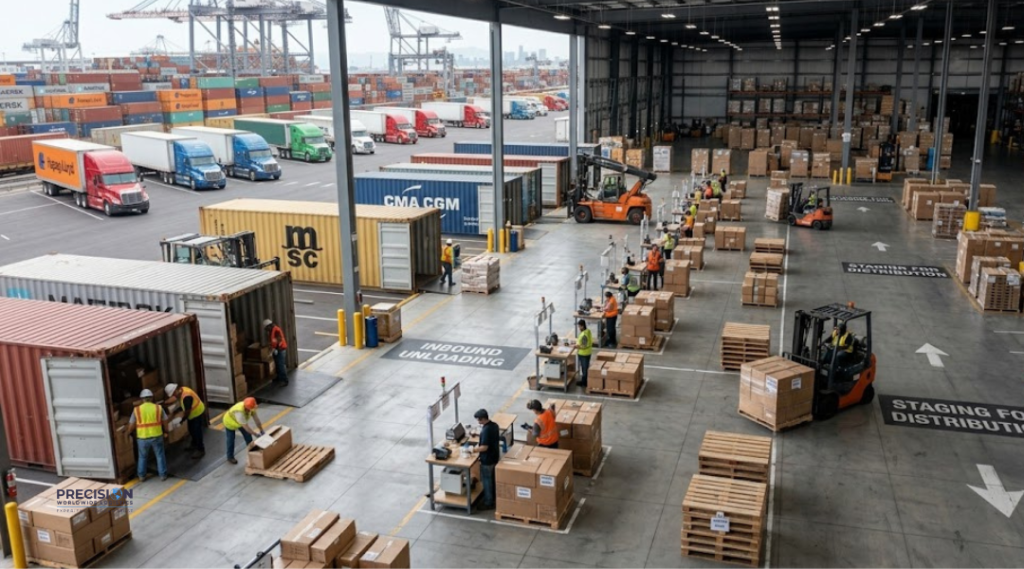
You reduce this risk by sending imports first to a California-based prep or 3PL warehouse. There, your team or provider can inspect goods, confirm barcodes, and ensure boxes meet Amazon’s carton standards. This step adds a layer of control before the critical FBA check-in stage.
Direct-to-FBA works best for stable, high-volume SKUs with consistent supplier output and proven compliance records. For newer or fragile items, staging inventory locally offers more flexibility to correct issues and maintain a steady flow into fulfillment centers.
System Constraints Across Port of Los Angeles and Port of Long Beach
You face several operating limits that affect how quickly you can move your Amazon FBA freight through southern California ports. Real-time gate access, chassis supply, and inland transfer scheduling each influence your total delivery time and cost per container. Small inefficiencies across these systems can delay warehouse intake and strain fulfillment timelines.
Terminal Dwell Times and Appointment Dependencies
You depend heavily on how long containers dwell on marine terminals before pickup. At the Port of Los Angeles and Port of Long Beach, imports can stay on berth for 5–8 days on average when congestion rises. These dwell times often fluctuate by terminal capacity and truck appointment availability.
Each terminal uses its own truck appointment system, and missed appointments can lead to added storage fees. Slots are limited and must be booked according to yard space and crane scheduling. If your drayage carrier fails to secure a timely gate-in, your boxes may sit waiting until the next window opens.
Both ports post daily metrics through digital dashboards. By tracking import container dwell categories (0–4 days, 5–8 days, 9+ days), you can monitor the probability of delay before dispatching trucks. Maintaining direct contact between dispatchers and terminal operators helps you match pickup times with actual loading dock availability.
Container Availability and Chassis Imbalances
A frequent restriction comes from chassis placement. Even when your container clears customs, lack of available chassis can prevent pickup. The San Pedro Bay complex regularly experiences imbalances because empties return unevenly between terminals. When too many chassis are tied up with idle boxes, drayage fleets must reposition equipment from other yards, adding hours to turnaround.
Terminals publish chassis dwell time data, and local pools help manage shortages. You can reduce risk by using a single chassis provider with coverage across both ports. Monitoring empty container returns and dual transaction success rates—where drivers deliver an empty and collect a full in one trip—also improves efficiency. Efficient yard moves and pre-pulled containers lower demurrage exposure and truck detention costs.
Inland Transfer Timing Toward Fulfillment Nodes
After a successful port pull, your freight still faces inland constraints. Rail and truck transfer timing directly affects fulfillment scheduling for Amazon FBA centers in California’s Inland Empire. Longer on-dock rail queues or restricted truck gate hours can postpone deliveries to cross-dock facilities.
The Port Optimizer™ Control Tower provides near real-time data on containers awaiting rail transport. Tracking rail dwell metrics helps you plan when loads will depart toward your 3PL or FBA node. Coordinating early with inland carriers ensures dray-off happens during optimal gate hours to prevent bottlenecks at loading docks downstream.
You gain efficiency by scheduling transfers in off-peak hours and splitting loads between rail and short-haul trucking based on distance and urgency. Even minor gains in port-to-warehouse timing can compound, improving your cycle for replenishing Amazon inventory on schedule.
Flow Design Between Drayage, Prep, and FBA
Your logistics flow depends on aligning port drayage, container unloading, and FBA prep tasks so that inventory moves smoothly from port to Amazon’s network. Efficient sequencing reduces detention fees, speeds up fulfillment, and prevents compliance issues that cause Amazon rejections or costly reshipments.
Direct Container Delivery Versus Transload Staging
When your container arrives at a California port, you can choose direct FBA delivery or transload staging at a 3PL or FBA prep center. Direct delivery sends full pallets straight from the container to Amazon after container unloading services. It works when goods already have FNSKU labels, correct carton markings, and pallet patterns that meet Amazon FBA prep standards.
Transload staging offers more flexibility. You unload and sort freight at a nearby warehouse before forwarding cartons to Amazon. This option helps when products need inspection, relabeling, or repacking. A staging location also reduces port congestion costs and allows you to split shipments among multiple Amazon fulfillment centers. Use it if you import mixed cartons or rely on multiple suppliers whose goods require repackaging.
| Option | Pros | Cons |
|---|---|---|
| Direct Container Delivery | Faster, fewer handling steps | Requires 100% FBA-ready goods |
| Transload Staging | Allows inspection and relabeling | Adds handling time and cost |
Labeling, Palletization, and Compliance Sequencing
The Amazon prep sequence must meet strict inbound requirements. After container unloading, schedule product inspection before moving ahead with labeling or pallet building. Every unit must display a scannable FNSKU label. Missing or obscured labels can trigger shipment rejection.
Next, handle poly bagging and bundling for units needing protection or quantity grouping. Maintain suffocation warning labels when polybagging items. After product prep, your team or prep partner should palletize goods based on Amazon’s carton weight and height standards, often limited to 72 inches. Use carton forwarding documentation and confirm that each pallet receives a shipment ID label before carrier pickup.
Sequencing these tasks in the right order limits rework and ensures compliance when inventory arrives at the fulfillment center. A small prep mistake often leads to lengthy check-in delays.
Cross-Dock Versus Short-Term Storage Decisions
A cross-dock model moves goods quickly from drayage trucks into outbound FBA shipments within 24–48 hours. It fits best for sellers with predictable shipping volumes and Amazon appointments already booked. You avoid storage costs and reduce cycle time between import arrival and availability for sale.
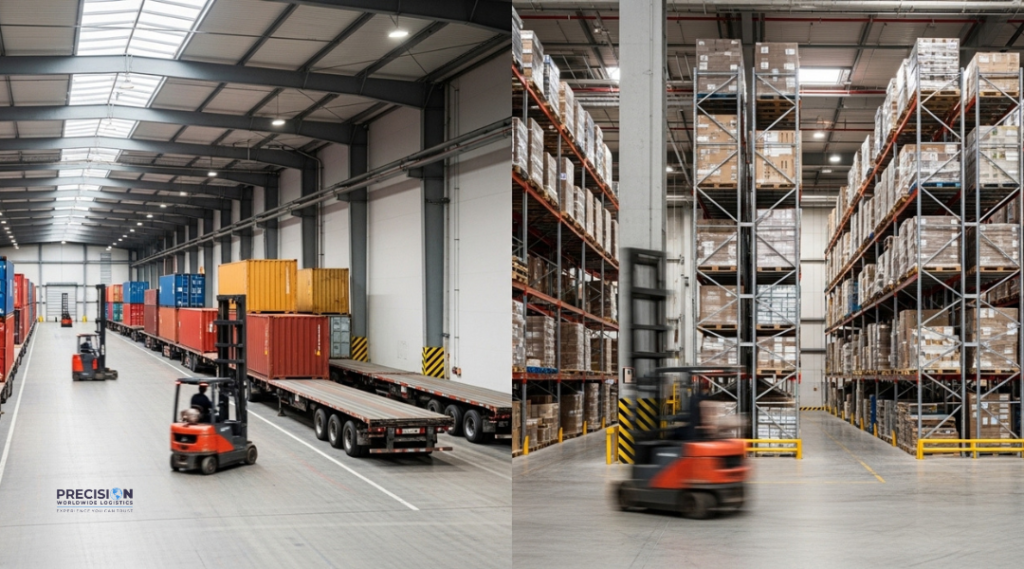
Short-term storage, however, may offer more control for sellers managing multiple SKUs or seasonal goods. A local FBA prep center can hold inventory after container drayage, allowing time for relabeling, poly bagging, or reboxing damaged cartons. This approach helps if Amazon’s receiving schedule is full or your FBA-ready prep isn’t complete when the container lands.
Decide based on your container unloading volume, product condition, and label readiness. The right balance between cross-dock and storage protects your turnaround speed while keeping compliance and cost efficiency in check.
Tradeoffs Between Speed, Compliance, and Cost
Success in California’s Amazon FBA network depends on how well you manage the balance between quick delivery timelines, strict compliance standards, and rising logistics expenses. Every operational decision—from drayage scheduling to FBA prep services—affects both your cost structure and the reliability of product flow into Amazon’s system.
Faster Inbound Versus Rejection Risk at FBA
When you move containers from the port to an Amazon facility quickly, you reduce dwell time and free up cash tied in transit. Faster drayage also helps maintain Prime-level availability. Yet speed can lead to compliance issues when labeling, carton prep, or pallet configurations don’t meet FBA standards.
Amazon now enforces stricter inbound requirements. If your freight arrives without correct FNSKU labels or carton details, it can be rejected or delayed at receiving docks. The time lost waiting for rework often exceeds the savings from rushing initial delivery.
You can reduce this risk by using professional FBA prep services that inspect, label, and package products before shipping. These partners handle quality control steps your warehouse may overlook during peak seasons, helping you maintain compliance without slowing transit. The tradeoff is modest extra cost but higher inbound reliability.
| Priority | Result | Risk |
|---|---|---|
| Speed | Faster inventory availability | Compliance errors |
| Accuracy | Smoother FBA receiving | Extra handling cost |
Prep Outsourcing Versus Internal Handling Control
You can keep prep in-house to retain control over inventory handling and save service fees. This works if your staff can maintain consistent compliance with Amazon’s evolving prep rules. Mistakes in labeling or packaging, however, can quickly turn into storage delays and penalty fees.
Outsourcing to FBA prep services adds cost per unit but ensures dedicated compliance supervision. Third-party specialists follow Amazon’s exact prep guidelines, manage quality checks, and integrate directly with your logistics providers. They also handle seasonal surges without disrupting your existing operations.
When comparing both models, consider throughput consistency and error rates, not just cost. Internal handling may seem cheaper until rework, mislabeling, or rejection fees are included in total landed cost.
Inventory Buffering Versus Storage Fee Exposure
Keeping reserve stock in local California warehouses or Amazon AWD locations can shield you from delays and port congestion. This buffer strategy helps maintain stable Prime delivery even when inbound shipments slow. However, it ties up capital and exposes you to high storage costs, especially under Amazon’s new regional pricing.
If products move slowly, those inventory piles quickly erode margins. Excess cube and aged stock now trigger higher AWD and FBA fees. To manage this, analyze SKU-level turnover rates and store only fast movers close to fulfillment centers.
You can offload bulk or slow-moving units to an off-Amazon 3PL or short-term warehouse near the port. This hybrid approach limits long-term storage exposure while keeping quick-access inventory within drayage reach for replenishment.
Precision Worldwide Logistics, Inc. Within FBA Flow Constraints
You rely on accuracy and timing to move inventory through the California supply chain. Precision Worldwide Logistics supports these requirements with asset-based drayage, transloading coordination, and strategically located warehousing designed to fit within Amazon’s FBA delivery constraints.
Asset-Based Drayage Alignment With FBA Delivery Windows
Precision Worldwide Logistics operates its own fleet of trucks and chassis, which removes dependency on outside drayage brokers. This structure gives you greater control over container pickup times at the Port of Los Angeles and Long Beach. When FBA appointments have narrow receiving windows, having direct access to assets reduces idle time and container storage fees.
You can schedule moves based on current demand rather than broker availability. Dedicated dispatchers handle load tracking and updates, keeping transit timelines visible. This consistency helps ensure shipments reach Amazon fulfillment centers within allowed check-in periods, which is critical for seller performance metrics.
Benefits of asset-based drayage:
| Advantage | Impact for FBA Sellers |
|---|---|
| Owned fleet | Reliable container availability |
| Local operations | Shorter turnaround from port to facility |
| Central dispatch | Clear communication and tracking |
Transloading Coordination for Prep and Compliance Timing
For FBA shipments requiring repacking, labeling, or palletization shifts, transloading must work in step with Amazon’s prep rules. Precision Worldwide Logistics manages this process by unloading containers at its Los Angeles-area facilities and reconfiguring cargo to meet FBA dimension and labeling requirements.
By coordinating truck availability and warehouse tasks, you can reduce dwell time between port discharge and final outbound scheduling. This shortens the total delivery cycle and minimizes demurrage or missed appointments. The team can time transload operations to feed outbound deliveries to Amazon’s regional inbound centers across California.
You maintain visibility into each stage with activity reports outlining when the freight is unloaded, relabeled, and reloaded. This practical approach helps you meet compliance while keeping goods flowing within tight FBA acceptance windows.
Warehouse Positioning Relative to Southern California FBA Routes
Precision Worldwide Logistics maintains warehousing and distribution operations within approximately 30 minutes of the Port of Los Angeles. This location places your inventory near major freeway connectors and within efficient reach of FBA sites across Inland Empire and greater Los Angeles.
Quick proximity reduces transfer mileage and allows same-day drayage-to-storage transitions. Racked and open-floor options support varying volumes, from full container storage to short-term cross-dock transfers. When combined with flexible fulfillment and outbound scheduling, the warehouse network can help stabilize shipment timing and reduce LTL congestion for local and regional deliveries.
Positioning your goods near primary routing corridors means fewer delays and lower transit costs to reach Amazon’s California fulfillment centers.