
Choosing the right logistics strategy is crucial for the success of your supply chain. Transloading is ideal for long-distance, multi-modal shipping, while cross-docking offers rapid turnover for time-sensitive goods. Understanding the differences between these two methods can help you make informed decisions that enhance your operations.
At Precision Worldwide Logistics, Inc., we provide tailored solutions to meet your specific needs. Our expertise in both transloading and cross-docking allows you to optimize your shipping processes effectively. Whether you require quick delivery or flexible handling, we have the resources to support your goals and improve efficiency.
By exploring the benefits and applications of transloading and cross-docking, you can align your logistics strategy with your business objectives. Let us guide you through the options so that you can make the best choice for your operations.
Understanding Transloading
Transloading is a key process in logistics that involves transferring goods between different transportation modes. It plays a significant role in enhancing operational efficiency and reducing costs.
How Transloading Works
Transloading typically occurs at a facility where cargo is unloaded from one mode of transport and then reloaded onto another. This process often involves deconsolidation, especially for shipments that come in bulk. For example, a shipment may arrive via a freight train and be transferred to a truck for final delivery.
This method is essential when goods need to move across various transportation methods, such as rail to truck or ship to rail. Skilled workers handle the packaging to ensure that products remain intact during the transfer. This flexibility allows you to optimize your shipping routes and adapt to changing logistical needs.
Key Benefits of Transloading
Transloading offers several advantages that can enhance your supply chain efficiency. First, it enables access to multiple transportation modes, which can lower transportation costs. For long-haul shipments, utilizing rail for a portion of the journey can be more economical than relying solely on trucking.

Additionally, it reduces storage costs by allowing for just-in-time delivery. You can quickly transfer goods, minimizing the time products spend in storage. This can be especially beneficial for industries dealing with bulk commodities or time-sensitive shipments.
Moreover, transloading can improve your operational efficiency as it simplifies the complexities of managing international shipments. You can manage inventory better by balancing supply and demand across routes.
Transloading in International and Long-Distance Shipping
In international shipping, transloading is vital. It allows you to navigate different regulations and shipping methods in various countries. For example, you can transfer goods from a shipping container to trucks once they reach a port.
Transloading facilitates moving goods over long distances while still managing costs effectively. By breaking up shipments into segments, you can optimize each leg of the journey, whether by rail or truck. It also allows for easier handling of Full Truckload (FTL) shipments that need to change modes throughout the transport process.
You can benefit from improved delivery times, especially when dealing with custom procedures or regional restrictions. This makes transloading an important strategy for keeping your supply chain responsive and resilient.
Exploring Cross-Docking
Cross-docking is an effective logistics strategy that helps streamline the flow of goods from suppliers to customers. This approach minimizes storage time and enhances operational efficiency, making it suitable for various applications.
Core Principles of Cross-Docking
Cross-docking relies on moving products quickly through a facility without long-term storage. The core principle is to receive shipments and immediately transfer them to outbound carriers. This method reduces the need for inventory holding.
Key components include:
- Rapid Sorting: Goods are sorted at the dock based on delivery routes.
- Temporary Storage: If necessary, items may be held briefly before shipping.
- Minimal Handling: The focus is on moving goods with little interference.
By minimizing handling and storage time, you can achieve faster delivery times and improved order fulfillment.
Typical Applications of Cross-Docking
Cross-docking is commonly used in various industries, especially where rapid distribution is crucial. It works well for e-commerce, food, and retail sectors.
Here are typical applications:
- Perishable Goods: Fresh food items benefit from immediate distribution to avoid spoilage.
- High-Volume Products: Retailers use cross-docking to handle large quantities without long storage.
- Seasonal Promotions: Seasonal products can be delivered quickly to meet demand.
Using cross-docking in these contexts helps reduce delivery times and increases customer satisfaction.
Advantages and Limitations of Cross-Docking
Cross-docking offers distinct advantages, but it also comes with some limitations.
Advantages include:
- Faster Delivery Times: Reduced time from suppliers to customers improves service speed.
- Lower Inventory Costs: Less storage leads to decreased holding costs.
- Increased Operational Efficiency: Streamlined processes can enhance overall productivity.
Limitations to consider:
- Space Requirements: Adequate dock space is essential to ensure smooth operations.
- Reliability of Suppliers: Consistent shipments are crucial for successful cross-docking.
- Complexity in Coordination: Real-time tracking and communication are vital to manage transfers effectively.
While cross-docking can enhance your logistics strategy, it’s essential to assess if it aligns with your operating needs.
Key Differences Between Transloading and Cross-Docking
When considering transloading and cross-docking, it’s essential to understand their operational processes, impact on inventory and storage, and the coordination required for each. These key distinctions can help you determine which logistics strategy best meets your needs.

Operational Processes
Transloading involves moving goods from one mode of transportation to another, often requiring temporary storage. This can include shipping cargo from a ship to a truck at a terminal. The process may include consolidation of different shipments to optimize loads.
In contrast, cross-docking aims for speedy transfer with minimal handling. Products arrive at a facility and are directly sorted and loaded onto outbound vehicles. This reduces the need for warehousing, speeding up delivery to customers and making your logistics operations more efficient.
Impact on Inventory and Storage
With transloading, you typically need more space for storage and handling. Goods may be held longer, especially when consolidating shipments. This can impact your inventory management, as you might have increased holding costs.
Cross-docking minimizes inventory levels. Since products move quickly through the terminal with little to no storage, it reduces warehousing needs. This approach can help you adapt to demand fluctuations, allowing for faster response times and lower carrying costs.
Coordination and Planning Requirements
Transloading requires precise coordination and planning. You must align transportation schedules and manage multiple handling steps. These complexities can lead to longer planning times but are necessary for effective consolidation.
On the other hand, cross-docking demands synchronized schedules for inbound and outbound freight. The delivery windows must be tight, requiring effective communication among all parties involved. This strategy relies heavily on accurate data to manage inventory flow and scheduling, reducing the risk of delays.
Logistics Strategies for Supply Chain Optimization
Implementing effective logistics strategies is essential for improving your supply chain’s efficiency. By focusing on cost-effectiveness and flexibility, you can enhance your operations and meet customer demands more effectively. Here are two key areas to consider.
Cost-Effectiveness and Savings
One of the main goals of any logistics strategy is to achieve cost savings. By using transloading or cross-docking, you can significantly reduce inventory holding costs and transportation costs.
Transloading allows for the rapid transfer of goods between different transport modes, minimizing storage times and avoiding delays. This leads to lower labor costs and fewer storage fees.
Cross-docking, on the other hand, involves transferring products directly from inbound to outbound transportation methods. This process can streamline operations and reduce the need for excessive inventory, ultimately enhancing customer satisfaction.
Tracking these expenses can help you spot further opportunities for savings in your supply chain management.
Flexibility in Shipping and Handling
Flexibility in your logistics strategy is crucial for adapting to changing market needs. Both transloading and cross-docking provide options for adjusting your shipping and handling processes.
Transloading offers varied routes and methods, enabling you to quickly adapt to disruptions or shipping delays. This flexibility can help you maintain optimal inventory levels without impacting delivery times.
Cross-docking supports just-in-time delivery by minimizing the time products spend in storage. This adaptability helps you respond to customer demands without overcommitting to stock that may not sell.
Choosing the right strategy will enhance your efficient logistics system and keep you ahead in a competitive marketplace.
Choosing the Right Strategy for Your Operation
Selecting the right logistics strategy is crucial for achieving operational efficiency. You need to consider your operational capabilities, infrastructure, and how the strategy aligns with your business goals and customer needs.
Evaluating Your Operational Capabilities
Begin by assessing your existing operational capabilities. This includes analyzing your workforce, equipment, and technology.
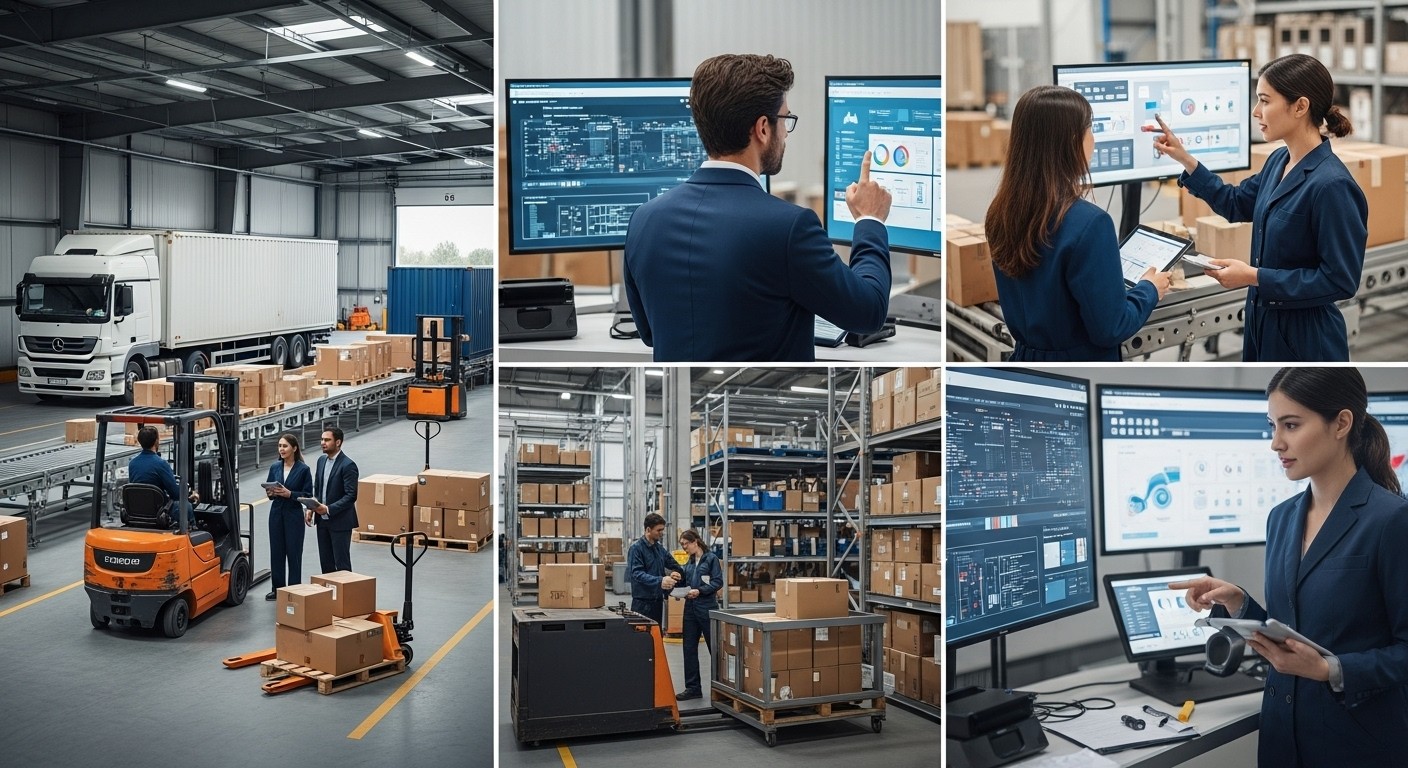
Consider the size and frequency of your shipments. If you handle large volumes regularly, cross-docking may streamline your process by allowing goods to move quickly between vehicles. On the other hand, if your shipments vary in size and require different transport modes, transloading can provide the flexibility you need.
You should also evaluate your team’s expertise in managing logistics processes. Ensure that your staff is trained to handle the chosen method effectively, as reliable logistics depend on knowledgeable personnel.
Assessing Infrastructure and Storage Requirements
Your infrastructure plays a significant role in choosing between transloading and cross-docking. Cross-docking requires minimal storage space since goods are quickly transferred to outbound vehicles.
Assess whether your current facility can efficiently support this process. If it cannot, consider if modifications are feasible.
Transloading, however, often requires temporary storage facilities. Evaluate your storage needs based on shipment sizes and delivery frequency. Calculate the space required for various types of goods, especially if they come from multiple sources.
In addition, look at your loading and unloading areas. They must be designed to accommodate the required equipment for both methods, such as forklifts and conveyor systems.
Aligning With Company Objectives and Customer Needs
Your logistics strategy should align with your company’s goals and the needs of your customers. Evaluate your delivery process and how it impacts customer satisfaction.
If you prioritize speed, cross-docking may be the better choice, allowing for quicker turnarounds on time-sensitive products.
Conversely, if you cater to diverse customer demands and adapt to domestic shipment variability, transloading may be more suitable. It allows for changes in transportation mode without compromising efficiency.
Keep in mind that your strategy should enhance your competitive edge. This means understanding your customers’ expectations and responding with the right logistics solution that supports their needs while maximizing your operational efficiency.
Mitigating Risks and Maximizing Efficiency
In logistics, managing risks and boosting efficiency are crucial for successful operations. Different strategies can help ensure safe transport of goods while minimizing costs and delays.
Handling Time-Sensitive and Perishable Goods
When dealing with time-sensitive and perishable goods, quick handling is essential. Both transloading and cross-docking allow for rapid movement of these products.
- Quick Turnaround: Cross-docking enables goods to move directly from incoming to outgoing trucks without long storage. This minimizes delay and ensures freshness.
- Optimized Route Planning: Utilize real-time data to analyze delivery routes. This helps reduce delivery times and ensure that perishable items reach their destination promptly.
By focusing on these factors, you can enhance order fulfillment rates for these critical goods.
Minimizing Damage, Theft, and Shipping Delays
Damage and theft are serious risks in logistics. Implementing best practices can significantly reduce these issues.
- Secure Handling Processes: Train staff on proper handling techniques to minimize damage during loading and unloading.
- Use of Technology: Employ tracking systems for shipments. GPS and RFID technology can monitor real-time locations to prevent theft.
- Streamlined Processes: Efficient operations lead to fewer delays. Ensure that your logistics team is well-coordinated to reduce dwell time at various points.
These steps contribute to higher supply chain efficiency and protect your assets.
Enhancing Coordination for Consistent Performance
Coordination among all parties involved in the logistics process is key to achieving consistent performance.
- Clear Communication: Maintain open channels of communication between suppliers, logistics teams, and customers. This helps in making quick decisions if issues arise.
- Regular Training: Provide ongoing training programs for staff on logistics procedures and technology use. An informed team operates more efficiently.
- Standard Operating Procedures: Create clear guidelines for all operations. This leads to predictable processes, reducing errors that can delay shipping and fulfillment.
By enhancing coordination, you support smoother operations and increase overall efficiency.