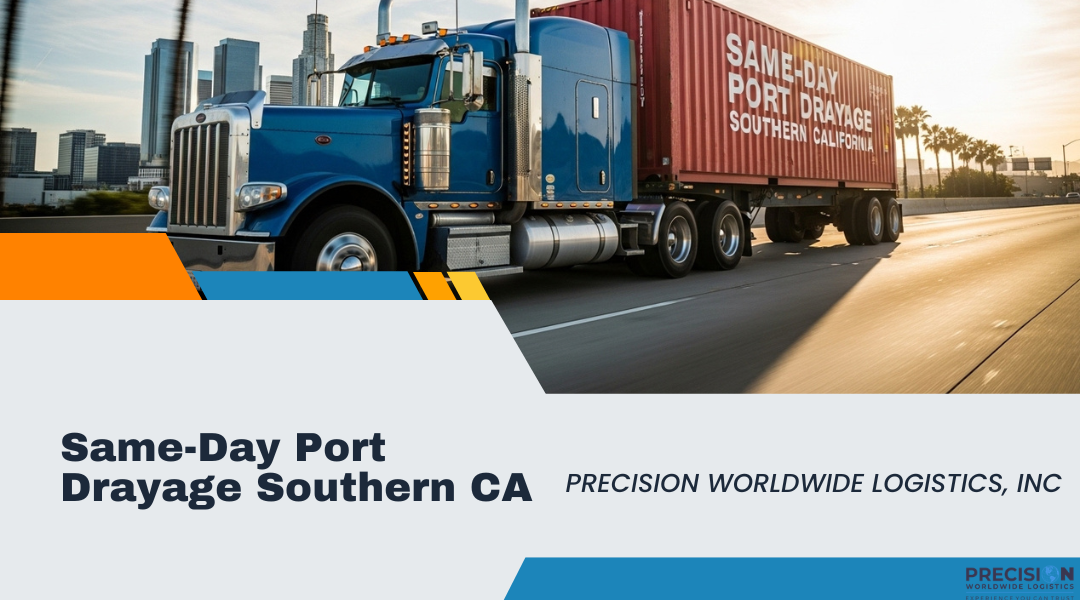
Same-day port drayage sounds like the perfect solution when cargo needs to move fast from the ports of Los Angeles and Long Beach. When time-sensitive freight arrives, businesses want containers delivered to warehouses or distribution centers without delay. While same-day service is technically possible under specific conditions, it remains difficult to guarantee due to port congestion, appointment systems, and equipment availability at these busy facilities.
The ports of Southern California handle millions of containers each year. This high volume creates challenges for freight services trying to execute quick turnarounds. Transport services must navigate strict gate hours, chassis shortages, and unpredictable wait times that can derail even the best-planned logistics services.
Understanding what “same-day” actually means in port drayage helps set realistic expectations. This article examines the structural limits at LA and Long Beach, the operational factors that affect speed, and how companies coordinate from inland locations like La Mirada. You’ll learn about the tradeoffs between cost, speed, and risk when pursuing expedited freight shipping.
Defining Same-Day Within Port Logistics
Same-day port drayage doesn’t mean the same thing to every logistics provider or shipper. The exact definition depends on discharge timing, whether you’re counting calendar days or business hours, and what additional services are included in the move.
Discharge Timing Versus Gate-Out Timing
The clock starts differently depending on who you ask. Some carriers measure same-day service from when a container is discharged from a vessel to when it exits the terminal gate. Others start counting from when the container receives its available-for-pickup status in the terminal operating system.
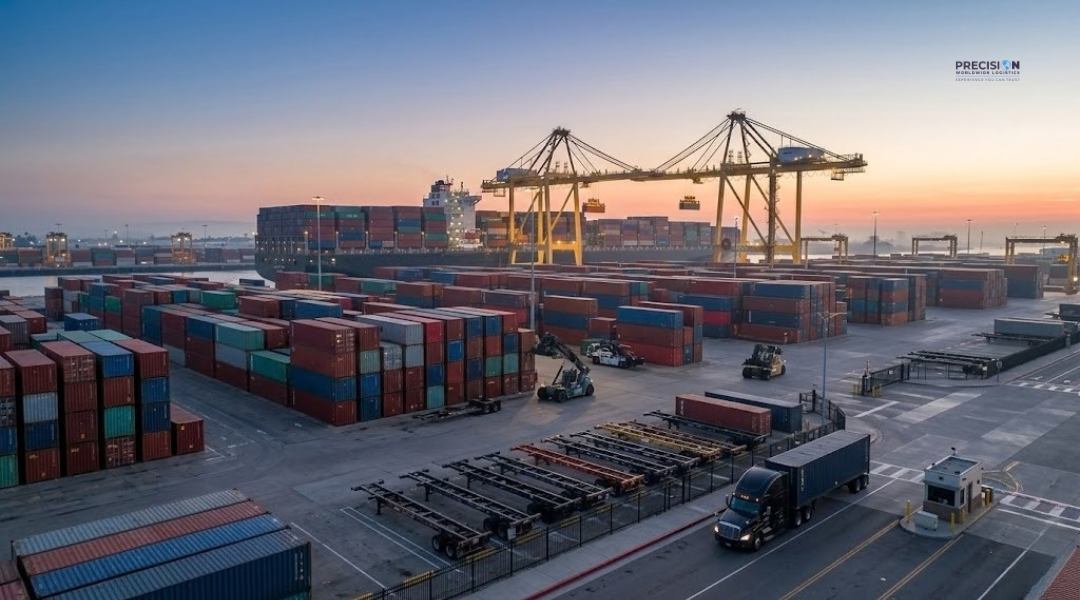
These two timelines can differ by 12 to 48 hours. A container might be physically off the ship but still awaiting customs clearance, inspection holds, or proper stacking in the yard. Your drayage provider should clarify which timestamp defines their same-day commitment.
Most Southern California terminals release containers to the available pool between 4 AM and 6 AM. If your provider promises gate-out the same day, they typically mean the same calendar day the container becomes available, not the same day it touched land.
Calendar Day Versus Business Hour Interpretation
A calendar day runs midnight to midnight. A business day typically covers standard port operating hours, usually 8 AM to 5 PM on weekdays. This distinction matters when terminals offer extended gate hours or weekend operations.
Some terminals in Los Angeles and Long Beach now run night gates from 6 PM to 3 AM. If your container becomes available at 2 PM and leaves through the night gate at 10 PM, is that same-day service? The calendar day interpretation says yes. The business hours interpretation might call that next-day service.
You need written confirmation of which standard your provider uses. Weekend and holiday scheduling adds another layer of complexity to these definitions.
When Same-Day Excludes Transloading Or Warehousing
True same-day drayage means direct movement from the port to your final destination without intermediate stops. This excludes transloading, cross-docking, or warehousing operations that add processing time. Cross docking requires unloading and reloading cargo, which typically adds 2 to 4 hours minimum.
Rail drayage to an intermodal facility also falls outside most same-day definitions. The container might leave the port terminal quickly, but it waits at the rail ramp for train departure. If you need cross-docking or transloading services, expect your timeline to extend to next-day delivery at minimum, even with expedited handling.
Structural Constraints At LA And Long Beach
The Ports of Los Angeles and Long Beach face several built-in limitations that make same-day drayage challenging. Terminal appointment rules, freeway congestion, and equipment shortages create delays that are difficult to overcome even with careful planning.
Terminal Appointment Systems And Cutoff Windows
Most terminals at the Port of Los Angeles and Port of Long Beach require appointments for container pickup. You cannot simply arrive and expect to retrieve your cargo. Terminals like TraPac and Everport use scheduling systems that fill up quickly, especially during peak hours.
Appointment slots often book days in advance. Morning slots disappear first because drivers want early pickups to complete same-day delivery. Many terminals stop accepting trucks by 3:00 PM or 4:00 PM on weekdays.
Cutoff windows create tight timeframes. If your container becomes available at 2:00 PM and the terminal closes to incoming trucks at 4:00 PM, you have only two hours to secure an appointment and arrive. Terminals may release containers late in the day after customs clearance, leaving no available appointment slots.
Some facilities charge fees if you miss your scheduled time. This pushes costs higher and makes last-minute changes expensive.
Congestion Patterns Across Regional Freeways
The 710 Freeway serves as the main route between the LA Port area and inland distribution centers. Traffic backups on this corridor add 30 to 60 minutes during peak periods. The 110 Freeway faces similar delays.
Rush hour congestion runs from 6:00 AM to 9:00 AM and 3:00 PM to 7:00 PM on weekdays. These hours overlap with terminal operating windows. You may pick up a container at 3:00 PM but sit in traffic until 5:00 PM trying to reach your destination 20 miles away.
Accidents and road construction create unpredictable delays. Even experienced drivers cannot always account for these variables when planning same-day service. The Port of Long Beach and Port of Los Angeles both connect to these same congested routes, so neither facility offers a clear advantage.
Chassis Availability And Equipment Bottlenecks
Containers need chassis for transport, but chassis shortages happen frequently at both ports. You may have an appointment and a truck ready but no chassis available to move the container.
Chassis rental from pools requires coordination between multiple parties. If the chassis you need is at a different terminal or already in use, delays occur. Gray chassis pools serve both the Port of Los Angeles and Port of Long Beach, but availability shifts throughout the day.
Equipment imbalances worsen during high-volume periods. Chassis pile up at inland locations while the ports run short. Drivers waste time searching for available equipment instead of moving freight. Some terminals have limited space for chassis storage, which restricts how many units they can keep on-site at once.
Operational Variables Affecting Turnaround
Same-day port drayage success depends on three critical operational factors: the physical distance between the port and your destination, how well warehouse receiving schedules align with container pickup windows, and how quickly documentation clears customs and terminal systems.
Distance From Port To Inland Facilities
The distance from Southern California ports to your warehouse directly determines whether same-day delivery is possible. Most same-day drayage operations work within a 50-mile radius of the port complex.
Containers heading to facilities in nearby cities like Carson, Compton, or Long Beach can complete the round trip in under two hours during off-peak times. This leaves room for gate processing and unloading within a standard workday.
When your facility sits 75 to 100 miles inland, same-day service becomes significantly harder. Traffic congestion on the 60, 91, and 710 freeways adds unpredictable delays. A container pickup scheduled for 8 AM might not reach an Ontario or Riverside warehouse until noon or later.
Distance benchmarks for same-day feasibility:
- 0-30 miles: Highly achievable with standard scheduling
- 31-50 miles: Possible with early pickup and minimal delays
- 51-75 miles: Requires perfect execution and off-peak routing
- 75+ miles: Rarely realistic for same-day completion
Warehouse Dock Scheduling Alignment
Your warehouse dock schedule must sync with port gate availability to make same-day drayage work. Terminals open as early as 6 AM, but many warehouses don’t accept deliveries until 8 or 9 AM.
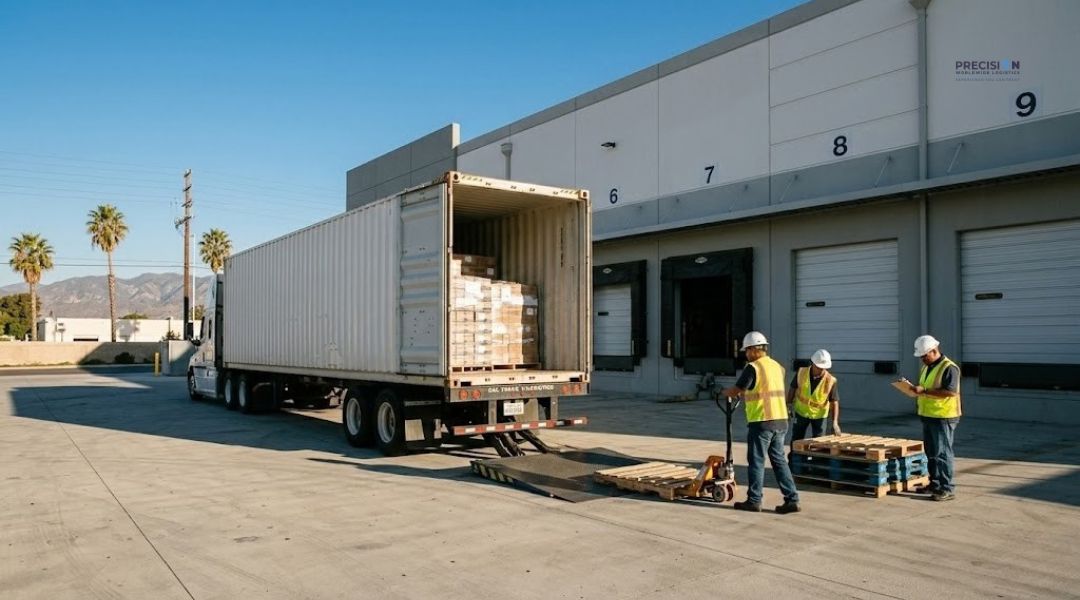
This creates a timing gap. If your driver picks up a container at 7 AM but your dock doesn’t open until 9 AM, the truck sits idle for two hours. That idle time cuts into the window needed for the driver to complete the delivery and return the empty container the same day.
Warehouses that offer flexible receiving hours or dedicated appointment slots for port drayage help carriers maintain tight schedules. Some facilities now provide early morning windows specifically for container deliveries.
Key scheduling factors:
- Terminal gate hours (typically 6 AM to 5 PM on weekdays)
- Warehouse receiving windows and appointment compliance
- Time allocated for unloading (15 minutes to 2 hours depending on cargo)
- Buffer time for unexpected yard congestion
Documentation Clearance And Release Timing
Container release delays kill same-day drayage plans. Your container must have a clear release from the shipping line and customs before a driver can pick it up.
Customs holds, missing bills of lading, or unpaid demurrage charges can stop a container at the terminal. Even a 30-minute documentation issue pushes your pickup window back and reduces the chance of same-day completion.
Electronic documentation systems help speed up releases. When you submit paperwork 24 hours before your planned pickup, terminals can pre-clear your container. This eliminates gate delays and lets your driver enter, hook up, and exit within 30 to 45 minutes.
Demurrage charges accrue when containers sit at the terminal beyond free time (usually 3 to 5 days). These charges must be settled before release. Setting up payment accounts with steamship lines prevents last-minute holds that derail same-day schedules.
Inland Coordination From La Mirada
La Mirada sits between the ports and major distribution centers in the Inland Empire, making it a critical staging point for same-day port drayage execution. Effective inland coordination requires precise dispatch sequencing, integration with nearby warehousing, and realistic expectations about what same-day service can deliver.
Dispatch Sequencing At Precision Worldwide Logistics, Inc.
Your ability to execute same-day drayage depends on how dispatch operations are sequenced from the start. Precision Worldwide Logistics, Inc. operates by coordinating container pickup times with terminal availability and delivery windows at your distribution centers. This requires a single point of contact who monitors gate openings, chassis availability, and appointment slots in real time.
API integration with terminal operating systems allows dispatchers to see which containers are available for pickup before drivers arrive. Without this visibility, trucks waste hours waiting for containers that haven’t been released yet. Same-day execution breaks down when coordination happens manually through phone calls and emails.
Successful sequencing also means matching equipment type to cargo requirements. If your container needs refrigerated storage or special handling, dispatch must assign the correct chassis and communicate those needs to receiving facilities before the truck leaves the port.
Integrating Drayage With Adjacent Warehousing
La Mirada’s proximity to short-term storage facilities and distribution centers makes it possible to deconsolidate containers quickly when same-day delivery to final destinations isn’t feasible. Your drayage provider should coordinate directly with warehouses that offer storage services, bonded storage for customs holds, and returns processing capabilities.
When containers arrive at adjacent warehouses, integrated systems track inventory movement from port pickup through final disposition. This reduces delays caused by miscommunication between drayage carriers and warehouse staff.
Some operations benefit from transloading containers into domestic equipment immediately upon arrival. This works when your cargo needs to split into multiple regional deliveries or when you’re consolidating multiple containers into full truckload shipments heading east.
Balancing Same-Day Expectations With Regional Realities
Same-day drayage from the ports to La Mirada is realistic when conditions align: early container availability, pre-secured appointments, and receiving facilities prepared to accept freight. It becomes unrealistic when any link in that chain breaks.
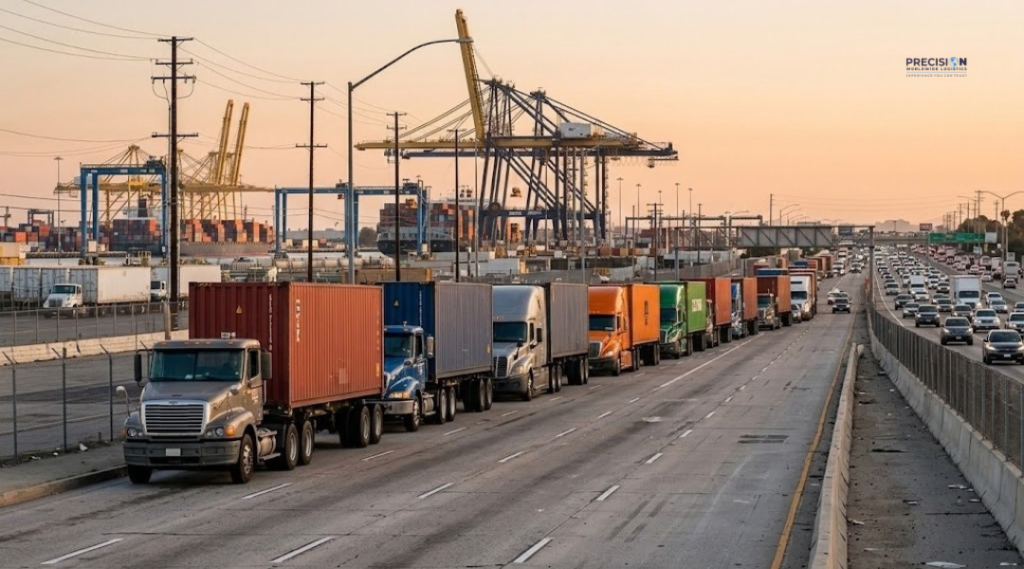
Port congestion at Los Angeles and Long Beach often delays container releases until late afternoon. If your container clears at 3:00 PM and your warehouse closes receiving at 4:00 PM, same-day delivery isn’t possible regardless of driver availability.
You need to understand which delivery scenarios support same-day execution and which require next-day planning. Setting realistic timelines with customers and internal stakeholders prevents costly rush fees and detention charges when standard timelines would have worked just as well.
Tradeoffs Between Speed, Cost, And Risk
Same-day drayage requires balancing three competing priorities. Faster service means higher costs and tighter margins for error, while budget options sacrifice speed and control.
Premium Capacity Versus Standard Routing
Premium same-day service costs 40-60% more than standard drayage in Southern California. You pay extra for dedicated capacity, prioritized pickup slots, and direct routing to your warehouse. Standard routing shares truck space and follows scheduled routes that may include multiple stops.
Full truckload shipping for same-day service gives you complete control over timing and routing. Your container moves directly from the port to your destination without delays. LTL shipping doesn’t work for same-day port drayage since containers can’t be split for shared loads.
The cost difference adds up quickly. A standard port move might run $250-350 per container, while same-day premium service reaches $400-550 in the LA/Long Beach area. Refrigerated shipping adds another $100-200 for temperature-controlled containers that need immediate movement.
Dwell Reduction Versus Operational Strain
Moving containers the same day eliminates port storage fees that start at $100-150 per day after free time expires. You also reduce demurrage charges and keep your inventory management flowing smoothly.
But rushing the process creates strain. Drivers face tight appointment windows at congested terminals. Your warehouse team needs same-day receiving capacity, which may require overtime or rescheduling other deliveries.
Clean fleet and green trucking providers often have fewer trucks available for rush jobs. Their newer equipment costs more to operate, and they may prioritize scheduled routes over last-minute requests.
The strain becomes worse during peak seasons when chassis shortages and appointment bottlenecks slow everything down.
Predictability Versus Expedited Handling
Standard drayage follows established schedules that your team can plan around. Same-day service removes that predictability since timing depends on real-time port conditions, driver availability, and traffic patterns.
You gain speed but lose certainty. A vessel arriving late or customs delays can derail your same-day timeline completely. Truckload shipping providers may bump your container if a higher-paying customer needs immediate service.
Premium carriers offer guaranteed same-day pickup windows, but you pay 20-30% more for that commitment. The guarantee only covers pickup timing, not actual delivery, since Southern California traffic remains unpredictable.
Most shippers reserve same-day service for urgent situations rather than routine moves. The cost and operational complexity make it impractical for regular inventory management needs.