Choosing the right logistics partner in California can shape how efficiently your supply chain runs. In a state known for busy ports and tight capacity, having reliable control over every load and route matters. An asset-based logistics company gives you direct access to owned trucks, warehouses, and equipment—offering the control and consistency needed to keep freight moving on time.
When you work with a provider like Precision Worldwide Logistics, Inc., you gain more than transportation support. You gain a partner that manages its own fleet, terminals, and warehouse space—all based in La Mirada, California. That ownership allows for faster problem-solving, fewer handoffs, and stronger communication across every part of your logistics process.
You’ll see how asset ownership impacts performance, cost, and flexibility, especially in California’s competitive freight market. From operational control to risk management, understanding how this model works helps you make informed decisions that protect your timelines and strengthen your supply chain.
Operational Contexts Where Asset Ownership Changes Outcomes
Owning transportation assets can improve reliability, control, and visibility in logistics. It can also influence cost stability and how efficiently you meet time and customer demands. In some cases, leasing or brokered solutions remain practical when flexibility outweighs the need for direct control.
High-Volume Port Freight And Time-Sensitive Deliveries
In California, ports like Los Angeles and Long Beach serve as gateways for global freight. When you operate in a high-volume environment, asset ownership helps you maintain predictable performance. You can schedule trucks, drivers, and maintenance routines around vessel arrivals without depending on third parties.
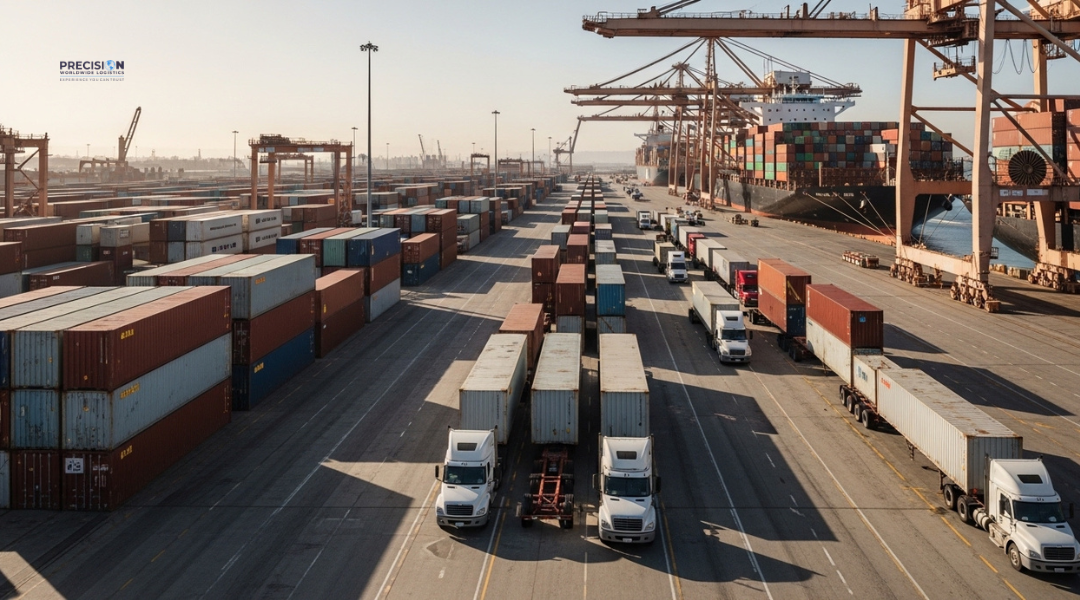
Asset-based fleets reduce downtime caused by limited carrier availability. You can adjust dispatch schedules quickly in response to port congestion or regulatory cut-off times. This ability improves turnaround rates and minimizes demurrage fees.
By owning equipment—such as chassis and trailers—you avoid delays that brokers face when sourcing capacity at the last minute. The result is more consistent transit times and better compliance with port appointment systems. Having full control of your fleet directly supports reliability for time-sensitive freight.
Supply Chains Requiring Predictable Capacity And Scheduling
Certain industries, such as food distribution, automotive manufacturing, and healthcare supply, depend on steady capacity and strict timing. When these shipments rely on schedules that cannot shift, owning equipment ensures availability even during seasonal demand spikes.
With an asset-based setup, you can implement tight maintenance plans and driver rotations that keep routes consistent. This approach enhances inventory planning and aligns transportation timing with production cycles.
| Factor | Benefit of Asset Ownership |
|---|---|
| Fleet Control | Guarantees capacity during disruptions |
| Scheduling | Enables fixed delivery windows |
| Visibility | Allows real-time tracking and direct communication |
These advantages reduce unplanned delays and support service-level agreements that require guaranteed delivery windows.
When Brokered Models Remain Operationally Sufficient
You may not need to own assets when freight volumes are irregular or routes shift often. Brokered transportation provides scalability and lower fixed costs, which can free resources for other operations.
Brokers connect you with many carriers, creating access to niche equipment or specialized lanes at short notice. For smaller loads or intermittent shipments, this model limits idle asset risk.
However, you should maintain clear performance metrics and vetted carrier partnerships. By managing these relationships carefully, you retain flexibility while protecting delivery quality. In this context, brokered models remain a practical and cost-conscious option.
Structural Differences Between Asset-Based And Broker Models
An asset-based logistics company owns and manages its own trucks, trailers, and drivers, while a broker coordinates freight through outside carriers. These differences affect who controls the operation, how issues are resolved, and how consistently loads are delivered under different market conditions.
Equipment Ownership, Driver Control, And Dispatch Authority
In an asset-based model, you work directly with a company that owns the trucks hauling your freight. Because the equipment and drivers belong to the same organization, dispatch decisions stay in-house. This central control allows for quicker adjustments if schedules shift or breakdowns occur.
A broker model does not own equipment or employ drivers. Instead, it matches your freight with third-party carriers. While this expands available capacity, it also adds another layer between you and the truck. Drivers answer to their carrier, not the broker, which can slow communication and limit direct control during urgent situations.
| Feature | Asset-Based Carrier | Freight Broker |
|---|---|---|
| Truck Ownership | Owned by provider | Outsourced to third parties |
| Driver Employment | Direct employees | External carriers’ drivers |
| Dispatch Control | Centralized | Distributed across partners |
| Escalation Speed | Faster | Depends on carrier response |
For shippers with time-sensitive freight, knowing the carrier controls both trucks and drivers can reduce uncertainty and improve accountability.
Visibility Differences Across Managed Versus Outsourced Fleets
Asset-based companies often connect their trucks through integrated tracking and dispatch systems. Because the fleet operates under one platform, you can view location data, route progress, and delivery updates in real time. This information links directly to the organization’s scheduling and maintenance systems.
In a brokered setup, visibility depends on the tools and participation of each partner carrier. Data may come from multiple systems, producing uneven reporting. Some brokers provide dashboards that combine carrier data, but response capabilities remain limited when the delay stems from an outside operator.
Centralized visibility lets you do more than just view a delay. It gives the logistics company the authority to act—rerouting, rescheduling, or dispatching a replacement truck within its own network.
Execution Consistency Under Variable Freight Conditions
Market cycles influence how easily carriers secure capacity. During tight capacity periods, brokers must locate available trucks from their network, sometimes paying higher spot rates or relying on less familiar carriers. This can result in variable pricing and inconsistent performance.
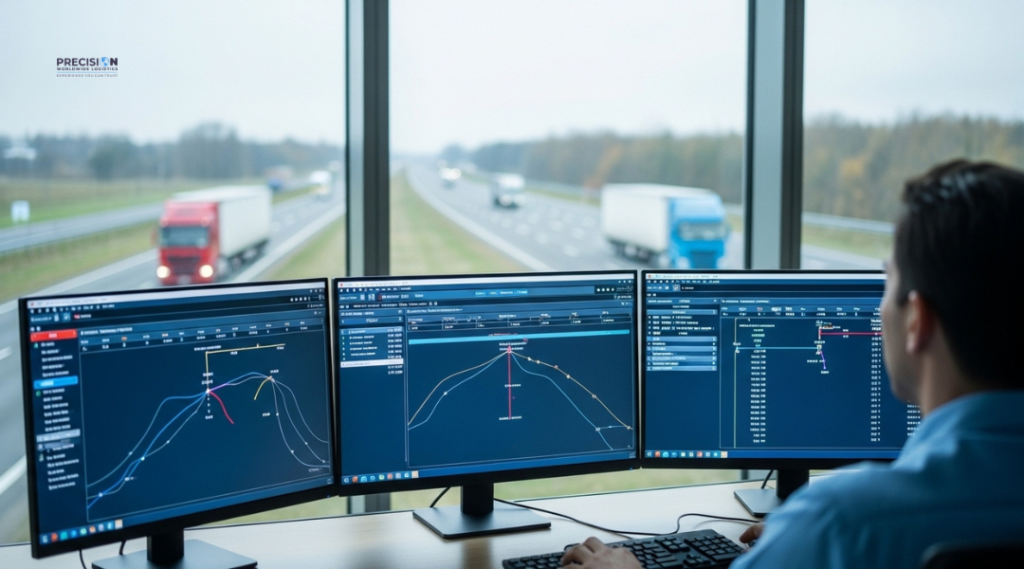
Asset-based providers can absorb some of these shifts through owned fleet capacity and structured partnerships. Because their trucks and drivers are already part of a controlled network, they maintain steadier service levels even when the market fluctuates. You benefit from fewer last-minute cancellations and more predictable delivery times.
When freight volumes surge, an asset-based carrier’s operational consistency helps protect scheduling and rate stability. Brokers can still add flexibility when needed, but asset ownership gives you a firmer foundation for planning in unpredictable markets.
California Freight Environment And Capacity Constraints
California’s freight network faces capacity pressures from high trade volumes, shifting regulations, and limits in infrastructure. These conditions influence how efficiently freight moves through ports, rail, and highways and directly affect costs, delivery times, and operational planning.
Port Congestion, Drayage Demand, And Equipment Shortages
California’s major ports—Los Angeles, Long Beach, and Oakland—handle nearly half of U.S. containerized imports. When vessel arrivals spike, congestion builds, slowing truck turn times and warehouse throughput. You often face delays of several days when containers wait for unloading or chassis availability.
Increased drayage demand compounds these delays. Short-haul truckers struggle to secure enough trips because of extended port dwell times. Containers and chassis remain tied up, creating bottlenecks across the supply chain.
Equipment shortages extend beyond ports. Many carriers still deal with limited container supply and slower fleet replacement due to high equipment costs and uncertain demand cycles. To manage these constraints, you need consistent scheduling visibility and partnerships with reliable yard and drayage services.
| Challenge | Direct Impact |
|---|---|
| Vessel congestion | Longer dwell times |
| Chassis shortages | Idle containers |
| Port delays | Increased demurrage costs |
Regulatory Pressures Affecting Fleet Operations And Compliance
Transport operations in California must comply with CARB’s emissions standards, fuel regulations, and mandates under the Infrastructure Investment and Jobs Act (IIJA) freight framework. These requirements push fleets toward cleaner technology, but adoption costs can be high. You face stricter deadlines to upgrade or retire older diesel trucks.
Zero-emission targets require charging infrastructure and upfront investment that smaller operators may find difficult to meet. While grants and voucher programs reduce costs, availability varies by region and fleet type.
Compliance monitoring adds administrative work. You must track emissions data, equipment certification, and route restrictions in areas with air quality programs. Meeting these standards strengthens sustainability credentials but requires long-term capital planning and adaptation of fleet maintenance schedules.
Regional Infrastructure Impacts On Transit Time Reliability
High traffic density on Interstate 5, SR-99, and major freight corridors limits transit reliability across the Central Valley and Southern California. Road construction, bottlenecks, and limited truck parking reduce on-time performance and increase linehaul costs.
Freight rail and intermodal facilities relieve some pressure but face similar space and scheduling limitations. Delays in last-mile routes near urban centers increase dwell time at distribution hubs.
Projects under the California Freight Mobility Plan (CFMP) aim to expand multimodal access and improve freight flow, yet upgrades take years to complete. You benefit from accurate route optimization and contingency planning that factor in construction zones, seasonal peaks, and regulatory truck route limitations.
Precision Worldwide Logistics Perspective On Asset-Based Control
Owning and managing its own fleet, equipment, and warehousing network gives Precision Worldwide Logistics direct control over operations. This structure reduces reliance on outside vendors, keeps schedules predictable, and allows you to plan shipments confidently even during high-demand seasons.
Fleet Ownership Effects On Scheduling And Service Continuity
When a logistics provider owns its trucks and chassis, it gains full control of scheduling and maintenance. Precision Worldwide Logistics operates a 100% asset-based fleet, which means there are no broker delays or third-party equipment shortages. You work with a company that handles its own vehicles, keeping service consistent and responsive.
Fleet ownership allows dispatchers to make quick routing adjustments. Technicians maintain all vehicles in-house, which reduces downtime and ensures compliance with safety and emissions standards. This helps you avoid canceled or late hauls caused by external carrier issues.
Because the trucks, drivers, and equipment belong to the same operation, communication stays direct. Dispatch updates transfer faster, and you can track your shipment without dealing with multiple contacts or providers. This operational consistency ensures continuous movement of goods across the Southern California region.
Coordination Across Drayage, Warehousing, And Transportation Layers
Asset-based control connects every layer of logistics—from port drayage and transloading to storage and over-the-road transport—within a single system. Precision Worldwide Logistics uses this structure to keep your cargo moving through one coordinated chain rather than shifting between several providers.
With unified systems, you receive accurate real-time data on container arrivals, space availability, and outbound truck assignments. Fewer transfers lower the risk of handoff errors, double-booking, or lost documents.
Warehousing teams work directly with drivers, so inbound containers are unloaded and prepared for next-leg shipping more efficiently. The combined network allows flexible handling of short dwell times at ports like Los Angeles and Long Beach, where timing can drastically affect costs.
Throughput Management During Peak Southern California Import Cycles
During peak import seasons, congestion at the ports can slow delivery schedules. Precision Worldwide Logistics manages this challenge through dedicated fleet capacity and adaptive routing supported by company-owned assets.
You benefit from access to additional equipment, temporary yard storage, and extended drayage shifts when demand spikes. Coordination between transport and warehousing divisions helps maintain workflow even when external conditions strain capacity.
The firm’s strategic proximity to both ports—typically less than 30 minutes away—lets dispatch teams adjust routes quickly. This location advantage shortens turnaround times and keeps containers moving before demurrage or detention fees occur.
By maintaining its own fleet, drivers, and facilities, Precision Worldwide Logistics can set throughput priorities based on client commitments rather than carrier availability. This ensures steadier performance regardless of seasonal import volume.
Cost Structures, Risk Allocation, And Flexibility Tradeoffs
Running an asset-based logistics company in California requires careful cost management, clear risk ownership, and operational flexibility. You must balance the long-term investment of owning transportation assets with the variable cost advantages of brokerage operations while ensuring reliability and resilience in a competitive market.
Fixed Asset Investment Versus Variable Brokerage Costs
Owning trucks, trailers, and warehouses gives you direct control over cost structures. These fixed assets require major upfront investment, steady maintenance spending, and consistent utilization to stay profitable. The benefit lies in predictability—your costs per mile or per load remain stable even when market rates fluctuate.
Brokered freight, by contrast, shifts capital burdens to third-party carriers. You pay variable brokerage fees that flex with demand and capacity. This approach can lower risk during slow periods but limits visibility into driver performance and equipment quality.
A comparison helps highlight the tradeoff:
| Model | Cost Type | Capital Needs | Pricing Flexibility | Risk Exposure |
|---|---|---|---|---|
| Asset-Based | Fixed | High | Moderate | Lower operational risk |
| Brokerage | Variable | Low | High | Higher service variability |
Choosing the right blend depends on your shipment volume, contract stability, and appetite for long-term investment.
Control Benefits Against Scalability Limitations
Owning assets offers direct control over routes, schedules, and maintenance, allowing you to maintain consistent service standards. You can implement your safety programs and driver policies without relying on intermediaries. Control enhances brand reliability but can limit how fast you scale when demand spikes.
Third-party or mixed models scale faster. You can expand by partnering with other carriers instead of purchasing new equipment. However, as you grow through outside carriers, coordination complexity increases. Ensuring compliance and communication across parties takes more time and resources.
You should evaluate how much control truly drives customer satisfaction and whether you can replicate those standards through vetted partnerships. Many firms find value in hybrid strategies that own key lanes while outsourcing overflow.
Risk Distribution Across Delays, Capacity, And Service Failures
Risk allocation shapes operational resilience. When you own trucks, you absorb most risks linked to driver shortages, fuel volatility, and mechanical failures. Yet, you also gain flexibility to adjust schedules, reroute shipments, and respond quickly when disruptions occur.
In a brokerage-based setup, risk transfers to carriers, but accountability becomes harder to enforce. Missed pickups or delayed shipments can still damage your reputation, even if the fault lies elsewhere. Balancing contract terms and performance metrics—such as on-time delivery rates and capacity guarantees—helps manage that exposure.
To reduce vulnerability, you can diversify modes, maintain backup carriers, or use data-driven forecasting to match capacity with demand. These actions lower the financial impact of unpredictable events like port congestion or regional fuel spikes while maintaining consistent service quality.