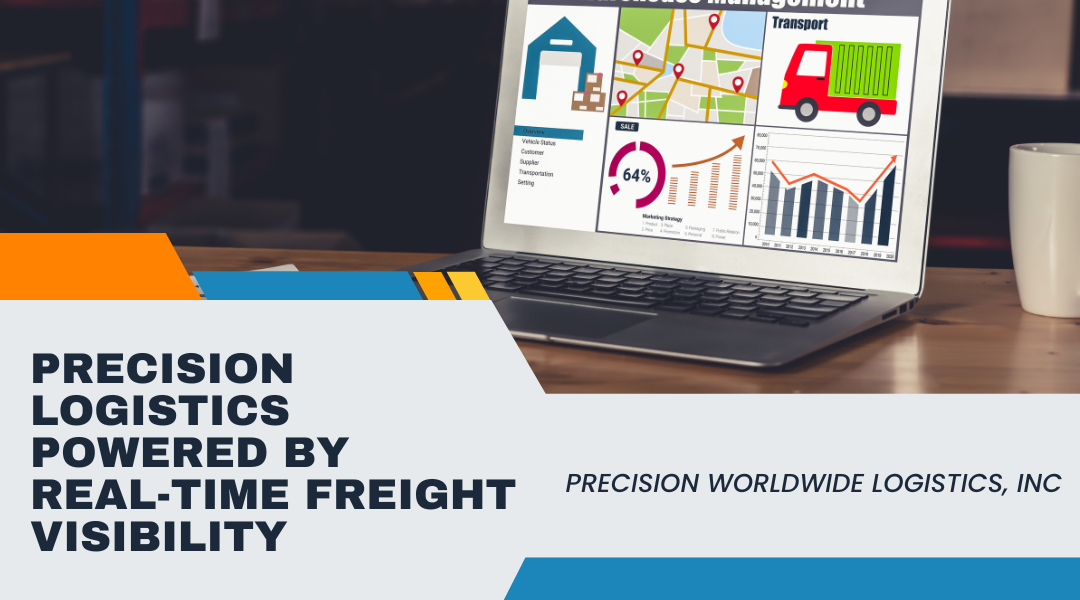
In today’s fast-paced logistics environment, the importance of real-time tracking cannot be overstated. Implementing real-time tracking in your drayage operations enhances visibility, allowing you to monitor shipments and respond promptly to any issues. This technology provides you with instant information about the location and status of your containers, leading to better planning and efficiency.
At Precision Worldwide Logistics, Inc., we understand that timely information is key to effective decision-making. With our advanced tracking systems, you can optimize routes, reduce delays, and improve overall service quality. By knowing exactly where your shipments are at any moment, you can ensure that your supply chain runs smoothly and meets customer demands.
Real-time tracking is not just a convenience; it is a critical element in modern logistics that drives success. When you utilize this technology in your drayage operations, you position your business to outperform the competition and enhance your service delivery.
What Is Real-Time Tracking In Drayage?
Real-time tracking is essential for efficient drayage operations. It allows you to monitor the location and status of cargo instantly, improving visibility and reducing delays. This technology leverages various tools to streamline logistics.
Definition And Core Technologies Involved
Real-time tracking in drayage refers to the ability to monitor shipments as they move through the supply chain. It uses a combination of GPS, RFID, and IoT devices to gather data continuously.
These technologies enable you to see where your containers are at any moment. They help in making quick decisions to avoid disruptions. Additionally, real-time tracking enhances communication among all parties involved, from truck drivers to warehouse managers.
GPS, IoT, And Telematics Explained
GPS (Global Positioning System) plays a crucial role in tracking the exact location of your cargo. It provides accurate geographic coordinates, allowing you to follow shipments in real time.
IoT (Internet of Things) involves connecting devices to the internet for data sharing. In drayage, IoT allows sensors to send updates about cargo conditions, like temperature and humidity.
Telematics combines GPS and IoT technologies. It collects data on vehicle performance and movement. This helps in monitoring efficiency and planning better routes.
How Tracking Integrates Into Drayage Workflows
Real-time tracking integrates seamlessly into drayage workflows. You can receive notifications about your cargo’s status, making it easier to manage schedules and resources.
For example, if there’s a delay at the port, you can quickly re-route trucks or adjust delivery times. This proactive approach reduces congestion and improves customer satisfaction.
Using tracking data, you can also analyze performance. Identifying patterns in shipping delays could help you make informed adjustments in your processes.
With these technologies, visibility across the supply chain doesn’t just improve; it transforms how you handle logistics.
Key Benefits Of Real-Time Tracking For Drayage Operations
Real-time tracking can greatly enhance your drayage operations. By utilizing this technology, you can improve delivery accuracy, increase customer satisfaction, and streamline processes. Here are some of the key benefits to consider.
Improved Delivery Accuracy And ETA Management
With real-time tracking, you can monitor your shipments closely. This allows you to provide accurate estimated times of arrival (ETAs) to your customers.
Having real-time updates means you can adjust delivery timelines based on current conditions. If a delay occurs, you can inform your customers immediately, which fosters trust.
Accurate ETAs minimize confusion and improve your overall service quality. You can also track how many loads arrive on time, helping you optimize future operations.
Enhanced Customer Communication And Transparency
Transparency is key in today’s logistics. Real-time tracking empowers you to keep customers informed at every stage of transit.
You can share tracking links with your clients, allowing them to see where their shipments are. This visibility enhances customer confidence in your services.
Timely updates about delays or changes in routing help you manage expectations effectively. Strong communication makes it easier to build long-term relationships with your clients.
Faster Turnaround Times At Ports And Yards
Real-time tracking contributes to faster turnaround times at ports and yards. When you can see the location and status of your shipments, you can plan movements more efficiently.
This visibility allows you to coordinate with port or yard operators, ensuring quick access. You can also preemptively deal with potential delays, which minimizes wait times.
Having fast turnaround times means your fleet can hit the road sooner. This efficiency can lower costs and improve service levels in your drayage operations.
Proactive Problem-Solving And Disruption Mitigation
With real-time data, you can identify issues before they escalate. If you notice a delay or potential disruption, you can act quickly.
You can reroute shipments or adjust schedules based on the most current information. This proactive approach helps you maintain smooth operations and meet customer expectations.
Additionally, being prepared for disruptions enhances your reliability as a logistics provider. Clients appreciate knowing you have the tools to manage unexpected challenges effectively.
Operational Efficiencies Gained Through Tracking
Real-time tracking significantly enhances drayage logistics, promoting efficiency in various operational areas. By leveraging advanced tracking systems, you can optimize dispatch, reduce idle times, and better utilize your fleet’s resources.
Streamlined Dispatch And Route Optimization
With real-time tracking, your dispatch process becomes much more efficient. You gain access to current location data of all vehicles, allowing you to plan optimal routes.
You can analyze traffic patterns and adjust routes accordingly, which minimizes delays. This leads to faster deliveries and satisfied customers.
Additionally, tracking data helps in identifying preferred routes that are both cost-effective and time-efficient. This not only saves fuel but also reduces wear and tear on your vehicles.
Reduced Idle Times And Wait Fees
Another significant benefit of real-time tracking is the reduction of idle times. You can monitor vehicle status and ensure that drivers are not waiting unnecessarily at pick-up or drop-off points.
By communicating estimated arrival times to drivers, you help them to minimize wait times. This, in turn, lowers your overall operational costs by reducing wait fees imposed by shipping yards.
The efficiency gained from reduced idle times contributes directly to improved profit margins for your drayage operations.
Better Resource Utilization Across Fleets
Tracking provides valuable insights into how well your fleet is being utilized. By analyzing the data, you can assess vehicle performance and identify underutilized resources.
This information allows you to make informed decisions regarding fleet assignments. You can allocate your trucks based on demand, ensuring that you are making the most of your assets.
As a result, you increase your operational efficiency, resulting in lowered costs and improved service delivery. Real-time tracking essentially transforms how you manage your fleet and logistics operations.
Reducing Costs With Smarter Data Insights
Using real-time tracking can significantly reduce costs in your drayage operations. By utilizing smarter data insights, you can streamline processes, cut unnecessary expenses, and enhance overall efficiency. Here are key areas where you can see cost savings.
Lower Fuel Costs Through Smarter Routing
Fuel costs are one of the largest expenses in trucking. By employing smarter routing based on real-time data, you can reduce fuel consumption. These systems analyze traffic patterns and weather conditions, ensuring that your vehicles take the most efficient paths.
- Route Optimization: Software can suggest routes that avoid congested areas.
- Real-Time Adjustments: If traffic conditions change, you can quickly adapt routes to save both time and fuel.
Implementing these strategies can lead to substantial fuel savings over time, improving your bottom line.
Prevention Of Demurrage And Detention Charges
Demurrage and detention fees can easily add up if cargo isn’t moved quickly. By leveraging real-time tracking, you can monitor the status of shipments closely.
- Timely Alerts: Get notifications when cargo is delayed or held up.
- Responsive Actions: Quickly rearrange logistics to prevent additional charges.
Keeping track of your shipments allows you to act swiftly, minimizing the risk of incurring these costly fees.
Reduced Manual Labor Through Automation
Automation can significantly decrease manual labor costs in your drayage operations. With the right systems in place, you can automate various tasks that traditionally required human effort.
- Real-Time Data Entry: Systems can automatically update data without manual input, saving time and reducing errors.
- Task Management: Automated tools can assign jobs based on availability and capacity, optimizing your workforce effectively.
By reducing reliance on manual processes, you can lower labor costs and improve efficiency across your operations.
Real-Time Tracking And Compliance Advantages
Real-time tracking offers significant benefits in drayage logistics, especially regarding security, efficiency, and regulatory compliance. These advantages enhance reliability and ensure that your cargo is managed properly throughout its journey.
Enhanced Security And Cargo Safety
With real-time tracking, you can monitor your cargo’s location at any time. This constant visibility reduces the risk of theft and loss. Alerts can notify you immediately if a container is removed from a designated route or stops unexpectedly.
Using GPS technology, you can track shipments from the port to their final destination. This level of oversight not only enhances safety but also provides peace of mind. You can feel confident knowing that your cargo is secure.
Implementing these tracking systems can also lead to better response times in case of any incidents. Being able to act quickly minimizes potential losses and downtime.
Simplified Documentation And Reporting
Real-time tracking streamlines documentation processes. You can easily generate reports on cargo movement without extensive manual input. This efficiency saves time and reduces human error during documentation.
The software often integrates with existing systems, allowing automatic data updates. You can have access to real-time data, which simplifies compliance reporting and improves accuracy.
With less paperwork and improved data reliability, teams can focus more on operational tasks. This approach ultimately leads to smoother operations and better resource allocation.
Staying Ahead Of Regulatory Requirements
Regulatory compliance is a critical aspect of logistics. Real-time tracking helps you stay updated with current regulations, enabling you to adapt quickly to changes.
Many tracking systems provide tools to help you understand compliance requirements for various regions. This information can guide your logistics decisions, ensuring you meet necessary standards.
Having a reliable tracking system also prepares you for audits. You can easily access historical data to demonstrate compliance. This capability reduces the stress and workload associated with regulatory inspections.
Practical Use Cases And Success Stories
Real-time tracking technologies have vastly improved efficiency and reduced delays in drayage logistics. These practical examples showcase how companies have overcome challenges and achieved significant results.
Case Study: Improving Port-To-Warehouse Efficiency
A shipping company faced delays in moving containers from the port to their warehouse. By implementing real-time tracking, they monitored container locations closely.
With clear visibility, they optimized routes and minimized idle time. The results were impressive.
- Reduction in average transit time: Cut from 48 hours to 24 hours.
- Increased on-time deliveries: From 70% to 95%.
This efficiency saved operational costs and improved customer satisfaction. Real-time updates helped teams address issues proactively, reinforcing the importance of modern technology in drayage services.
Case Study: Reducing Late Deliveries And Penalties
A retailer struggled with late deliveries, facing significant penalties due to missed deadlines. By adopting advanced tracking systems, they gained insights into delivery statuses.
Now, their logistics team could respond quickly to potential delays. Key improvements included:
- Communication with drivers: Instant updates on traffic and road conditions.
- Improved scheduling: Reducing turnaround time for loading and unloading.
As a result, the retailer decreased late deliveries by 60%. The timely deliveries not only avoided penalties but also strengthened relationships with clients. With effective tracking, you can mitigate challenges commonly faced in drayage logistics.
Insights From The Experts At Precision Worldwide Logistics, Inc
At Precision Worldwide Logistics, experts focus on integrating technology and real-time tracking to enhance drayage operations. Their insights emphasize practical strategies for fleet managers and shippers that streamline processes and improve service.
Our Approach To Tech-Driven Drayage
You can expect Precision Worldwide Logistics to leverage advanced tracking systems that offer real-time visibility into shipments. This means you get updates on the location and status of your containers, which helps in planning and resource allocation.
Tech-driven solutions not only improve efficiency but also reduce delays. For example, automated notifications alert you to any potential issues, allowing for quick action. The team prioritizes systems that integrate seamlessly with existing logistics platforms.
Investing in such technology leads to lower operating costs and enhances customer satisfaction. You will find that accurate tracking and efficient routing improve service levels and lead to a better overall experience for all stakeholders.
Recommendations For Fleet Managers And Shippers
For fleet managers and shippers, adopting real-time tracking is critical. It allows you to monitor performance and pinpoint inefficiencies in your logistics operations.
Regular training for your staff on new technologies is essential. This ensures that everyone understands how to use the systems effectively. Implement a clear communication strategy that includes instant updates on shipment status.
Also, use analytics tools to assess performance metrics. This data-driven approach will help you make informed decisions. Collaboration with your logistics provider on best practices can further optimize processes, ensuring that you are always moving in the right direction.
Key Industry Statistics On Tracking In Logistics
Real-time tracking is reshaping the logistics industry by enhancing operational efficiency and boosting customer satisfaction. The following statistics highlight the adoption rates, return on investment, and customer responses tied to tracking in logistics.
Adoption Rates And ROI Across Trucking Fleets
Adoption rates for real-time tracking systems in trucking fleets are increasing. Currently, around 70% of U.S. fleets use some form of tracking technology. This technology often leads to a 20% reduction in operational costs.
Implementing such systems can yield a return on investment (ROI) of up to 300% within the first three years. Companies that adopt tracking solutions see improved delivery times, which is crucial for maintaining a competitive edge in transportation and shipping.
Customer Satisfaction Metrics Tied To Visibility
Customer satisfaction is directly linked to visibility in the logistics process. About 80% of customers prefer real-time updates on their shipments. When clients can track their orders, they report a 25% higher satisfaction rate.
Furthermore, visibility helps reduce disputes related to delivery times and conditions. This gain in trust not only enhances repeat business but also encourages positive reviews that are vital in trade. Investing in tracking technology can significantly elevate your company’s reputation in the industry.