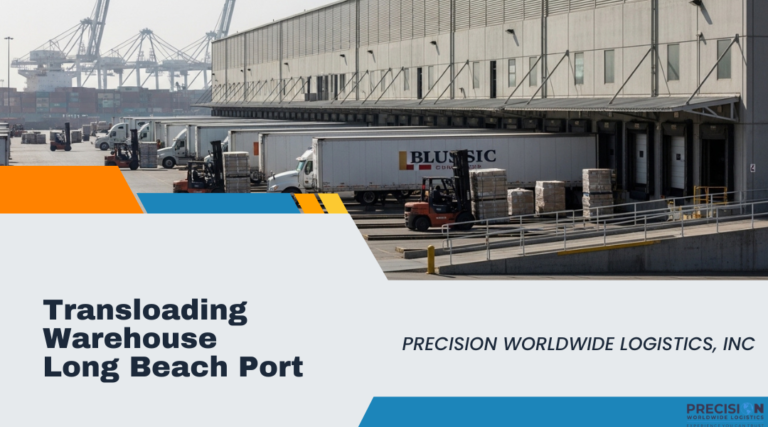
You face constant pressure to move goods quickly and control rising logistics costs. Coordinating drayage and warehousing separately often leads to delays, higher fees, and gaps in communication. Bundling these services under one provider reduces handoffs, shortens container dwell times, and lowers total transportation and storage costs. It’s a practical approach that keeps your supply chain predictable and responsive, especially when congestion or labor limits can easily disrupt operations.
As port activity and inland distribution grow more complex, the difference between a segmented and an integrated model becomes clear. When you align drayage and warehousing, you simplify scheduling, gain real-time visibility, and increase throughput without adding overhead. Providers like Precision Worldwide Logistics in La Mirada, California, use an asset-based structure to keep full control over trucks, warehouses, and schedules—helping you minimize uncertainty while maximizing efficiency.
Bundled service models now stand out as a strategic shift rather than a temporary trend. They allow you to plan around cost, equipment, and delivery precision with confidence. This approach sets the stage for understanding when integration makes the most sense, how costs form across linked operations, and what tradeoffs may arise as you balance efficiency with flexibility.
Supply Chain Conditions Favoring Bundled Service Models
Bundled logistics models work best when steady import flows, complex inland distribution, and integrated cost control are priorities. You gain the most value when port, drayage, and warehouse operations face shared challenges or capacity constraints that a single provider can coordinate efficiently.
Import Volume Consistency And Container Flow Predictability
You benefit most from bundling drayage and warehousing when your import volumes stay relatively stable. Consistent container arrivals allow providers to plan labor, equipment, and dock schedules in advance. This reduces wait times tied to terminal congestion, port drayage delays, and chassis shortages.
When volume predictability aligns with reliable port operations, carriers can better manage yard inventory and minimize demurrage. A single provider coordinating transloading and short-haul delivery helps maintain flow even during port congestion.
Bundled models also simplify tracking and billing. Having drayage, storage, and transfer data on one platform improves visibility and speeds response to volume changes.
Inland Distribution Complexity And Handling Requirements
If your inland distribution network covers many destinations or includes multiple handling steps, integrated services often provide stronger control and speed. Transloading services close to ports can reduce dwell time and move freight directly into intermodal drayage or regional truckload networks.
Bundling allows the provider to balance warehouse capacity with drayage schedules, so containers do not sit idle at gates or yards. You can cut delays caused by insufficient equipment availability or inconsistent loading windows.
Example benefits:
| Challenge | Bundled Service Solution |
|---|---|
| Multiple storage and transfer points | One coordinated provider schedules drayage and warehousing |
| Missed appointments | Shared visibility platform between port and warehouse |
| Equipment or labor shortages | Centralized dispatch reallocates assets faster |
When Separation Of Services Remains Operationally Viable
In some cases, you may not need a bundled model. When your operations face fluctuating import patterns, limited handling steps, or low congestion exposure, separate contracts can still function effectively.
If your port drayage needs are simple and shipment volumes vary widely, a stand‑alone carrier arrangement gives flexibility without long-term cost commitments. Independent warehouses may also suit operations with minimal transloading or short dwell times.
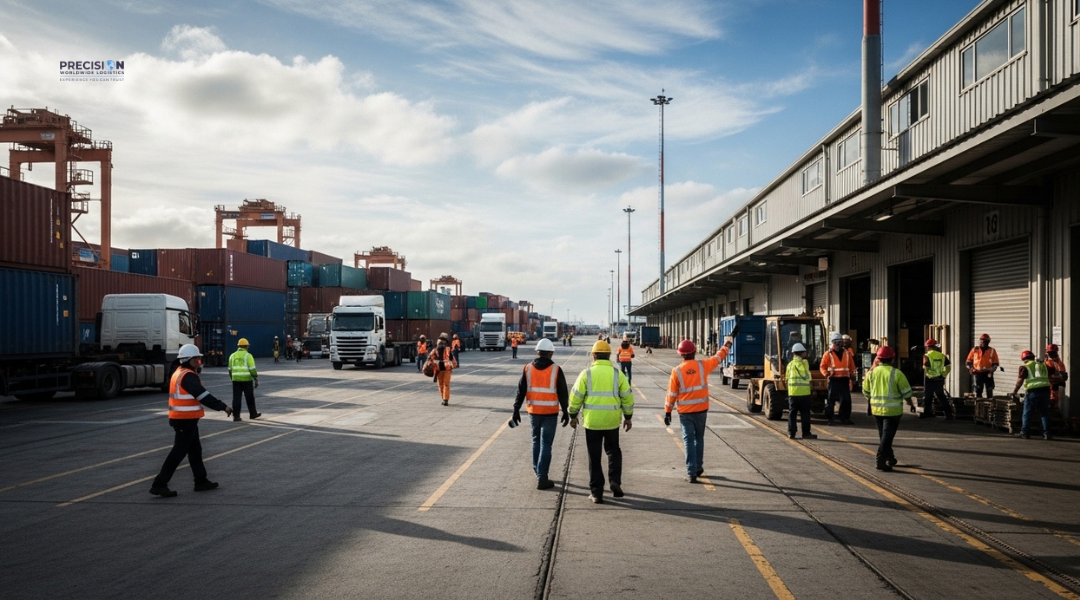
Keep in mind that separating services requires tighter coordination across vendors. You need clear communication protocols to manage scheduling and avoid missed transfers during terminal congestion or seasonal surges.
Structural Differences Between Bundled And Segmented Logistics
Bundled logistics centralizes drayage, warehousing, and related services under one provider, while segmented models separate them among multiple vendors. Each structure affects coordination, control, and cost visibility across your supply chain. The following discussion examines how integration depth shapes communication flow, operational friction, and management oversight in both models.
Coordination Layers Across Drayage And Storage Functions
In a bundled setup, drayage and storage functions operate under a unified management layer. Your third-party logistics (3PL) provider aligns container drayage, trucking, and warehouse scheduling within one control system. This shared platform reduces gaps between transport arrival times and storage availability.
Bundled structures typically feature centralized data management that lets you see drayage progress and storage capacity together. For example, if a container delivery runs late, warehouse staffing or dock assignments can adjust in real time. The effect is faster cycle time and fewer idle containers at the terminal.
By contrast, segmented logistics introduces multiple coordination layers. Each provider—one for drayage, another for warehousing—operates under separate systems. You must reconcile timelines and inventory data yourself or through manual communication. This duplication of effort increases planning time and raises the risk of service overlap or container delay.
Handoff Friction Points In Multi-Provider Environments
When you manage multiple logistics providers, handoff points often become operational bottlenecks. After container drayage is complete, drivers may wait for clearance from a separate warehouse operator. Even minor misalignment between appointment windows can create costly demurrage or detention fees.
Consider common friction sources:
| Friction Point | Cause | Potential Impact |
|---|---|---|
| Gate scheduling | Misaligned arrival times | Idle trucks and higher drayage costs |
| Data transfer | Inconsistent tracking systems | Lost shipment visibility |
| Billing and claims | Separate processes | Delayed dispute resolution |
Bundled logistics reduces these issues by keeping all functions under a single chain of command. The same 3PL provider that manages drayage trucking also oversees the warehouse. Fewer handoffs mean less administrative follow-up and lower costs tied to detention and re-handling.
Control Consolidation Within Integrated Service Models
Control consolidation is one of the main structural strengths of bundled logistics models. A single provider governs carrier selection, drayage dispatch, and warehouse operations using shared performance metrics. You gain consistent reporting and can adjust service levels faster because decisions come through one management channel.
Centralized control improves incident response. If terminal congestion slows drayage, the provider can reassign resources or shift storage priorities without waiting for another vendor’s approval. This responsiveness simplifies compliance tracking and reduces time spent reconciling data across partners.
In segmented systems, control is distributed among several entities. You must coordinate key decisions across different contracts and management teams. This fragmentation limits visibility into container status, inflates administrative overhead, and makes it harder to achieve unified cost control across your supply chain activities.
Cost Formation Across Integrated Drayage And Warehousing
When you manage drayage and warehousing together, costs link tightly across transportation, handling, and storage activities. These links affect both pricing structure and total landed cost, especially as volume, timing, and coordination efficiency change.
Linehaul, Handling, And Storage Cost Interdependencies
Your base drayage rate covers short-haul container transport between port and warehouse. Yet factors like fuel surcharge, chassis rental, and overweight fees often expand your total expense. When warehousing and drayage operate under a single framework, you can plan linehaul routes, gate appointments, and dock assignments together to reduce duplicate moves and idle time.
Storage and handling costs tie closely to drayage timing. If containers reach the warehouse faster and at predictable intervals, you cut unplanned storage fees and labor overtime. Efficient scheduling also helps avoid split deliveries that raise both handling charges and fuel use.
In integrated setups, lower variability across these linked steps stabilizes your overall cost profile. You gain clearer insight into where each dollar goes and can adapt operational plans to balance time, cost, and capacity.
Accessorial Charges Linked To Delays And Inefficiencies
Accessorial charges—like demurrage fees, detention charges, or chassis split fees—often arise from coordination gaps. Each delay has a direct financial impact. A late drayage pickup can trigger demurrage charges at the port, while slow unloading at your warehouse may result in detention fees from the carrier.
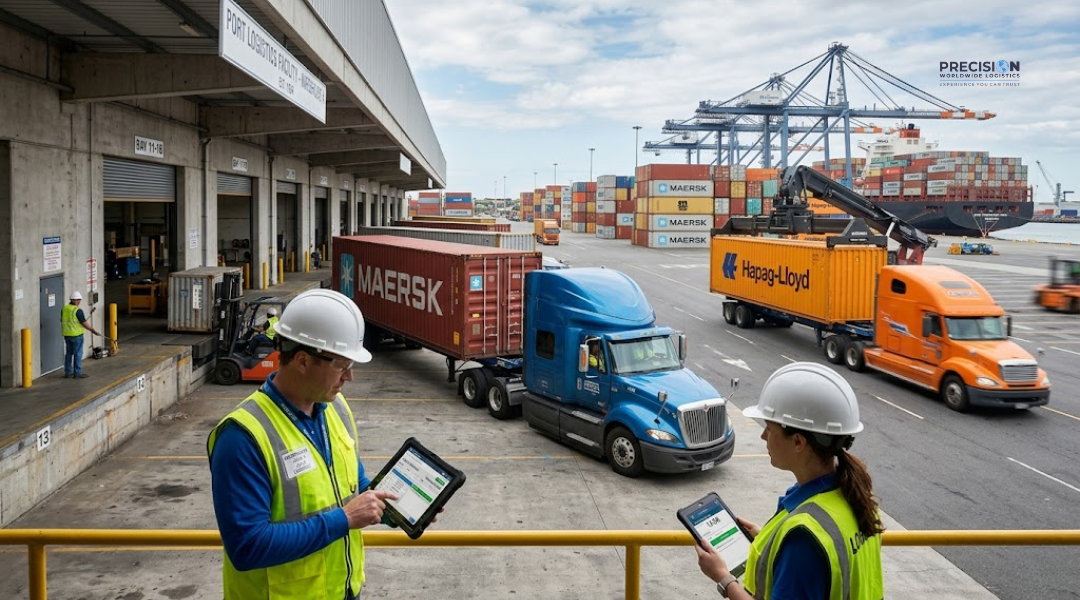
An integrated operation reduces these risks by synchronizing schedules and sharing real-time data between yard, driver, and dock. Visibility into inbound status lets your warehouse adjust receiving queues. That keeps trucks moving and eliminates costly waiting periods.
Accurate forecasting and labor planning also cut container dwell time, shrinking both storage and port penalties. When you reduce idle assets and manage chassis pools efficiently, you lower recurring accessorial costs, tightening overall drayage pricing and improving cost predictability.
Fixed Versus Variable Cost Behavior Under Scale
In separate operations, many expenses behave as fixed costs—warehouse rent, drayage contracts, or long-term equipment leases. However, in a combined model, some shift toward variable costs that scale with throughput and efficiency.
High volume often spreads fixed expenses across more shipments, lowering your per-container cost. Coordinated operations also reduce redundant hauls and yard handling, trimming variable expenditure such as fuel surcharges and driver time.
| Cost Type | Typical Examples | Behavior When Integrated |
|---|---|---|
| Fixed | Lease, base drayage rate, facility utilities | More flexible through volume leverage |
| Variable | Fuel, detention, storage, chassis rental | Reduced through tighter scheduling and shared data |
By aligning drayage and warehousing decisions, you control both fixed and variable components more effectively. This balance makes it easier to plan budgets, forecast margins, and maintain cost stability even when fuel prices or market demand fluctuate.
Precision Worldwide Logistics Perspective On Integrated Flow Control
You gain better control over freight flow when your drayage and warehousing functions operate under one system. Precision Worldwide Logistics uses direct asset ownership, synchronized scheduling, and real-time coordination to reduce delays and improve throughput. By connecting physical operations with digital tools such as a Transportation Management System (TMS), you can maintain consistent performance across every stage of port-to-warehouse movement.
Asset-Based Drayage Alignment With Warehouse Intake Scheduling
An asset-based drayage model gives you consistent truck and chassis availability, which helps align port pickups with warehouse receiving times. When both functions operate under one provider, dispatch teams can coordinate container arrivals to match dock capacity. This reduces detention charges and prevents congestion at yard gates.
Precision Worldwide Logistics integrates its scheduling process through a shared TMS that tracks each container’s status. You gain visibility into estimated arrival times, route progress, and dock readiness. This allows your operations team to adjust staffing and allocate storage space more efficiently.
Using predictive analytics, you can anticipate port delays or equipment shortages and reschedule loads before they cause disruption. The unified system links inbound drayage and warehouse intake, strengthening control over labor planning, staging areas, and container turnover.
Reduced Idle Time Through Synchronized Yard And Dock Operations
Idle equipment and waiting drivers often signal weak coordination between yard and dock operations. Precision Worldwide Logistics minimizes these bottlenecks through synchronized communication between drayage dispatchers, warehouse managers, and yard supervisors. Each group works from shared data sets that reflect live conditions on the property.
A real-time tracking platform updates container location, equipment status, and dock availability. When a truck approaches the yard, staff can assign a dock based on current capacity rather than preset schedules. This reduces unproductive time and shortens turnaround for both inbound and outbound trailers.
Process control tools and end-to-end visibility help you manage dwell time more accurately. You can quickly spot slowdowns in loading or unloading and adjust move orders within minutes. The result is steadier asset utilization and lower fuel and labor costs associated with idle logistics equipment.
Throughput Stability During Peak Import And Distribution Cycles
During seasonal surges, maintaining flow through your facilities depends on how well you manage throughput stability. Precision Worldwide Logistics uses integrated container management and warehouse scheduling to balance short-term peaks against long-term network capacity. By matching drayage arrival rates with hourly dock throughput, you avoid gridlock inside the yard.
Their operational systems use real-time data and route planning tools within the TMS to sequence container departures in line with warehouse clearing rates. This creates a controlled rhythm that prevents storage overflow or outbound delays. Data integration also supports adjustments for schedule changes from ocean carriers or customer pickup requests.
Using forecasting and predictive analytics, you can simulate demand patterns and test response plans ahead of high-volume periods. This proactive management ensures smooth transitions from vessel discharge to warehouse putaway, even when daily volumes fluctuate sharply.
Tradeoffs Between Efficiency Gains And Operational Flexibility
Bundled drayage and warehousing services can strengthen coordination and reduce costs through unified management. Yet, concentrating operational control with a single provider can limit flexibility, increase dependency risks, and shift how delays and service failures affect performance and customer satisfaction.
Dependency Risks Within Single-Provider Service Structures
When you use one provider for both drayage and warehousing, you simplify scheduling and reduce administrative overhead. A single point of contact improves tracking, on-time delivery, and accountability under clear service level agreements (SLAs).
However, this integration can create dependency. If the provider faces labor shortages, system outages, or route disruptions, your operations may slow without a backup option. The risk extends across the supply chain, especially when real-time data systems or warehouse management tools are controlled by one entity.
To reduce exposure, you should review contract terms that outline performance standards, backup procedures, and inventory management responsibilities. Periodic evaluations of the provider’s capacity and contingency plans help ensure continuity when disruptions occur. Strong transparency and shared access to performance metrics can further protect delivery performance and response times.
Flexibility Constraints Versus Coordination Efficiency Benefits
Using bundled services often increases process efficiency. Coordinated scheduling aligns drayage arrival times with warehouse capacity, leading to faster unloading and fewer idle trucks. The result is stronger delivery performance and reduced dwell time on containers.
Yet, this coordination can limit flexibility. When warehouse space or transport slots are locked into a single provider’s network, adapting quickly to demand changes or shifting seasonal inventory may be difficult. You may find it hard to reroute cargo or negotiate new terms mid-contract without additional costs.
To balance both goals, you can establish flexible SLAs that allow for capacity adjustments during peak periods. Maintaining open communication channels and shared digital visibility tools encourages joint planning without giving up all negotiation control.
Risk Allocation Across Delays, Inventory, And Service Failures
Delays in drayage operations often ripple into warehouse schedules, slowing inventory turnover and affecting customer satisfaction. Allocation of risk determines who bears financial and operational consequences when delays or service failures occur.
If the same provider handles both services, you gain clearer accountability but fewer fallback options. Contract structures should define how penalties, incentives, and performance guarantees apply to missed on-time delivery targets or damaged goods.
A simple way to clarify this is through a table:
| Risk Type | Likely Impact | Common Mitigation |
|---|---|---|
| Port or route delay | Missed delivery windows | Backup carriers, priority dispatch |
| Warehouse congestion | Inventory buildup | Dynamic storage allocation |
| System breakdown | SLA breaches | Redundant IT systems and manual process fallback |
Regular reviews of these risks and performance outcomes help maintain service reliability while safeguarding operational flexibility within bundled structures.