Importing goods through Southern California means operating in one of the busiest logistics corridors in the United States. The ports of Los Angeles and Long Beach move nearly half of all U.S. imports, creating unique opportunities and challenges for businesses that depend on fast, efficient supply chains. Choosing the right 3PL partner in this region helps you control costs, improve delivery speed, and maintain the consistency your customers expect.
You work in a market where small decisions around port access, warehousing locations, and transportation routes can affect every step of your operation. Southern California’s 3PL network offers solutions that scale with your growth while reducing the risks tied to congestion, storage limits, and labor shortages. Precision Worldwide Logistics in La Mirada stands out with its asset-based equipment and integrated services that keep your goods moving smoothly from port to destination.
By understanding how 3PL service structures, execution models, and cost tradeoffs align with your business goals, you gain real control over throughput and performance. This article will guide you through the key elements that shape your logistics strategy—from port flow and importer profiles to operational efficiency and risk management—so you can make informed choices that strengthen your supply chain.
Importer Profiles And Logistics Scope Boundaries
Importers manage different levels of complexity depending on product type, volume, and sales channels. Your logistics structure should match your operational scale, SKU diversity, and customer expectations to prevent costly inefficiencies while maintaining steady product movement across the supply chain.
Volume Variability And SKU Complexity Thresholds
High import volume and SKU complexity often determine when 3PL support becomes essential. If your inbound freight fluctuates seasonally or includes hundreds of SKUs, coordinating warehousing, order processing, and inventory tracking in-house becomes harder to manage. A 3PL helps you maintain predictable workflows by scaling labor, space, and transport capacity based on your demand cycles.
You can think of volume thresholds in practical terms:
| Import Volume (TEUs/Month) | Recommended Solution |
|---|---|
| Under 5 | In-house or hybrid model |
| 5–25 | Shared or regional 3PL |
| 25+ | Dedicated facility with integrated systems |
As SKU counts rise, tracking accuracy and product segregation matter more than space. A 3PL with warehouse management technology provides barcode-level visibility, allowing you to monitor stock at both batch and unit levels without expanding physical infrastructure.
When In-House Logistics Remains Viable
If your supply chain handles low or steady freight volumes with limited SKU changes, in-house logistics may still be viable. Keeping operations internal allows you to maintain full control over costs, service standards, and product flow, especially when storage and delivery stay within a single region like Southern California.
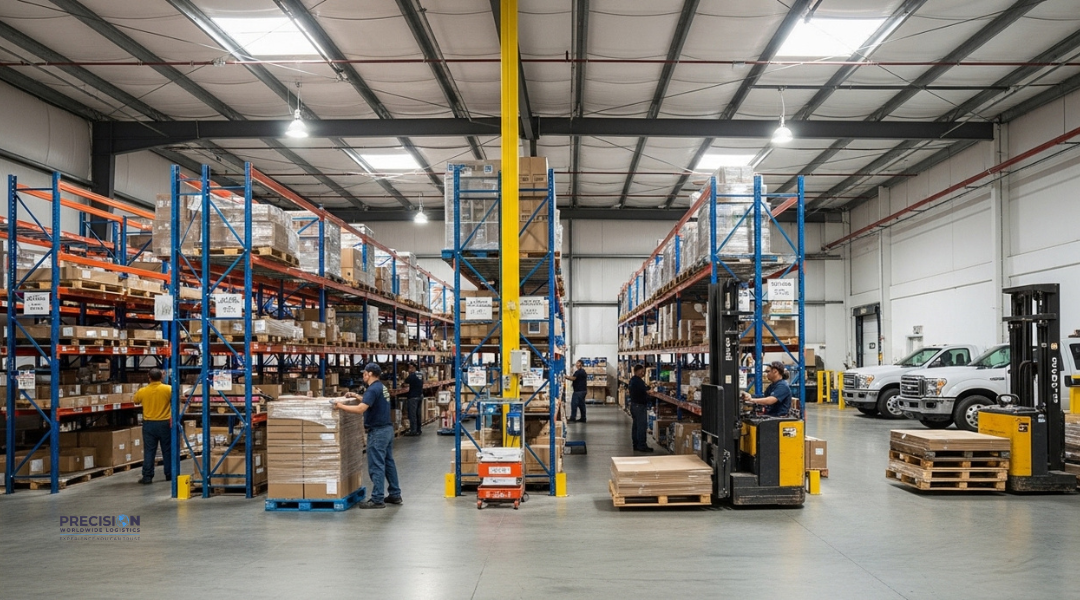
To assess whether internal management is practical, consider:
- Average shipments per month
- Facility utilization levels
- Labor flexibility and process standardization
When these factors stay consistent, outsourcing can add unnecessary expense. You retain agility by using external carriers for peak freight while handling standard operations on-site. Once you reach higher shipment frequency or channel diversification, though, shifting to a 3PL may align better with long-term supply chain management goals.
Boundaries Between 3PL And Freight Forwarding
3PLs and freight forwarders serve distinct but connected roles. Freight forwarders manage the international transportation of goods—including booking containers, consolidating freight, and handling export and import documentation. A 3PL oversees the domestic logistics that follow, such as port drayage, warehousing, and distribution within the U.S.
When choosing a 3PL, confirm how it cooperates with freight forwarders or customs brokers. The best partners integrate documentation flow and shipment data, preventing delays from miscommunication. You should also define where freight responsibility passes from one party to another, usually at port arrival or customs clearance.
Understanding these boundaries clarifies accountability, ensures compliance, and keeps your supply chain efficient from origin to final delivery.
Southern California Port Ecosystem And Flow Constraints
Southern California’s cargo network operates as one of the largest logistics hubs in North America. The local ports handle massive import volumes that move through a web of highways, rail lines, and inland distribution centers, where timing and coordination determine performance and cost.
Port Of Los Angeles And Long Beach Dynamics
The Port of Los Angeles and the Port of Long Beach together handle over one-third of U.S. container imports. They function as adjoining gateway terminals with distinct but complementary roles. Los Angeles terminals often manage transpacific ocean freight from Asia, while Long Beach handles specialized cargo, including refrigerated and heavy-lift shipments.
Traffic efficiency depends on vessel scheduling, labor availability, and coordination with rail and trucking services. When international demand shifts or labor contracts stall, ship queues form at anchorages, slowing operations.
Local authorities and port operators continue investing in automation, shore power, and digital cargo visibility systems. These upgrades aim to reduce congestion and adapt to tighter environmental and labor regulations without compromising throughput. You gain faster turnarounds and more predictable arrival windows when carriers and port managers maintain synchronization between terminal operations and inland connections.
Inland Distribution Corridors And Congestion Impact
Cargo leaving the port typically travels inland through the Inland Empire, a key logistics zone east of Los Angeles. Warehouses here serve as staging points for distribution throughout the western United States. Highways such as I‑10, I‑15, and State Route 60 link the ports to this region, but heavy truck activity often causes bottlenecks near freeway interchanges and railroad crossings.
Congestion along these corridors increases drayage times and storage costs. Efforts such as short‑haul intermodal rail connections help shift some container traffic from road to rail to relieve pressure. Regional planners and logistics providers also use real-time tracking to redirect loads when delays occur.
You can reduce cost exposure by diversifying delivery routes, working with multiple carriers, or storing overflow inventory in secondary hubs like the San Fernando Valley or Ontario near major airports. These adjustments improve flexibility when primary corridors face slowdowns.
Drayage Timing, Chassis Availability, And Dwell Times
Once containers arrive at the terminal, drayage operations link the port and nearby warehouses. Timely pickup depends on chassis supply, gate appointment systems, and yard efficiency. When chassis pools run short or returns lag, containers can sit idle, driving up detention fees.
Average dwell times vary by season and carrier. During peak import cycles or restricted gate hours, trucks must wait longer for load access. Coordination with reliable drayage providers who maintain adequate chassis and scheduling tools can keep your cargo flowing.
To manage these constraints, many importers use drop trailer programs or work with 3PLs positioned within the Overweight Corridor near the ports. This allows overweight containers to be handled legally and transferred quickly to inland facilities. Managing drayage timing and chassis availability together ensures your freight clears the ports efficiently and reaches your distribution network on schedule.
3PL Service Structures And Execution Models
Efficient third-party logistics in Southern California rely on how well each service model aligns with your import, storage, and distribution needs. The structure of a 3PL provider shapes how inventory moves from the port through warehouses to final delivery points across multiple fulfillment channels.
Asset-Based Vs Brokered Logistics Control Differences
Asset-based 3PL companies own trucks, warehouses, and handling equipment. This ownership gives you direct control over scheduling, tracking, and performance reliability. Operations usually run smoother because the provider manages its own resources, not third parties. You also gain faster response times for storage, shipping, or order fulfillment adjustments.
Brokered or non-asset-based 3PLs coordinate logistics through networks of contracted carriers and warehousing partners. While this offers flexibility and potentially lower costs, control depends on vendor performance. It can work well for seasonal import surges or specialized transportation services, but service consistency may vary.
| Model Type | Ownership | Cost Control | Flexibility | Direct Oversight |
|---|---|---|---|---|
| Asset-Based | Provider-owned assets | High | Moderate | Strong |
| Brokered | Partner network | Moderate | High | Limited |
Choosing between the two depends on how much oversight you need versus how much variability you can manage within your supply chain.
Transloading, Cross-Docking, And Storage Roles
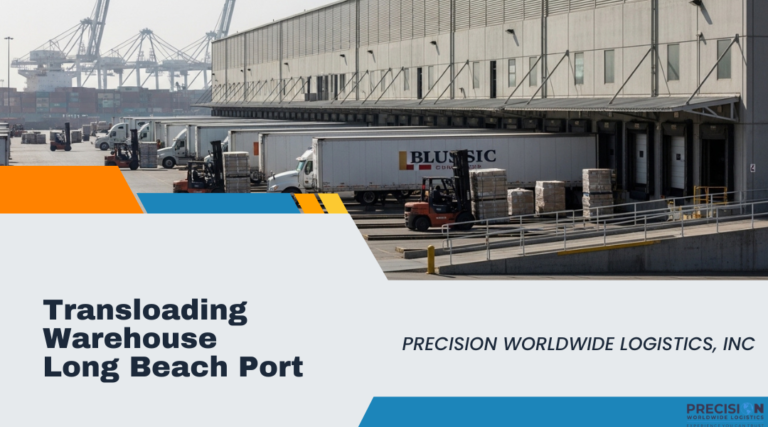
Inbound containers arriving through the Ports of Los Angeles and Long Beach often require quick transfer to regional facilities in the Inland Empire. Transloading shifts freight from ocean containers to domestic trailers for faster inland movement. This step reduces drayage costs and avoids long container dwell times.
Cross-docking shortens transit by skipping long-term storage. Goods move directly from inbound to outbound trucks, ideal for time-sensitive retail fulfillment or omnichannel orders. Yet, when products need value-added steps—like kitting and assembly or labeling—short-term or long-term storage becomes necessary.
California 3PL companies usually offer flexible combinations of transloading, cross-docking, and warehousing within one distribution center. This mix allows you to balance speed with inventory control, depending on product type and customer demand.
Fulfillment Integration With Transportation Layers
Your fulfillment strategy connects closely with how your 3PL manages transportation layers. Strong integration between warehouse management systems (WMS) and carrier networks helps coordinate pick and pack, order processing, and last-mile delivery. Accurate data flow reduces shipping delays and improves ecommerce fulfillment visibility.
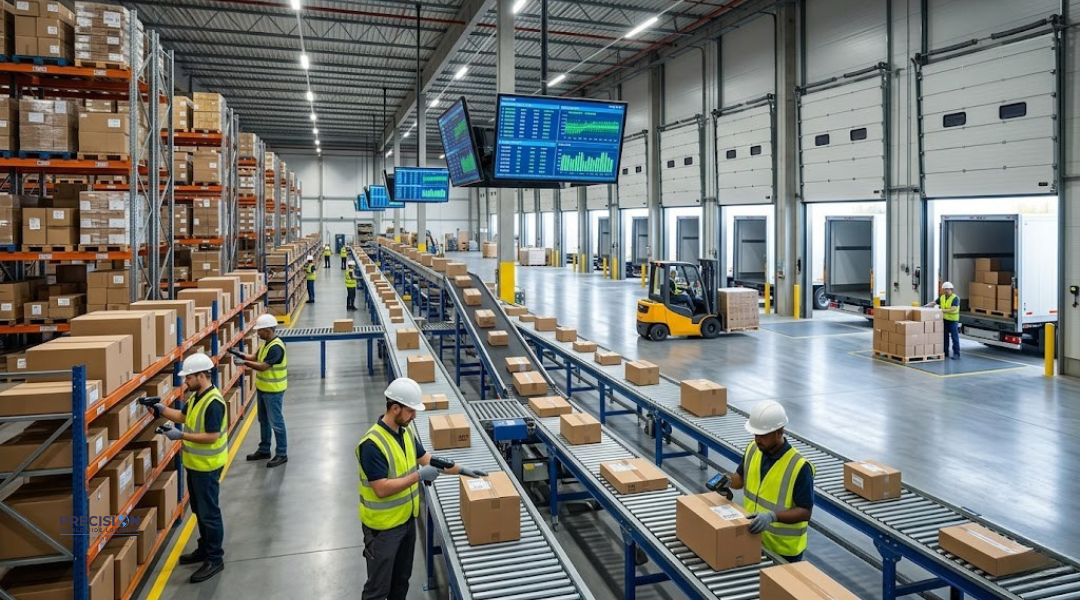
Full-service 3PL providers often combine B2B and DTC fulfillment in one facility. This supports sellers operating across Amazon Fulfillment, Seller Fulfilled Prime, or retail distribution channels. With linked inventory tracking and automated routing tools, you can route orders to the right warehouse based on proximity and stock availability.
Integrated transportation and fulfillment systems also simplify reverse logistics management. Returns can be received, inspected, restocked, or refurbished within the same network, creating a more efficient and customer-focused cycle for your Southern California operations.
Precision Worldwide Logistics Operational Perspective On Control And Throughput
You gain higher control and faster product movement when logistics operations connect owned assets, coordinated transportation modes, and structured throughput plans. Precision Worldwide Logistics applies tested workflows that keep goods moving efficiently across Southern California’s busy import network.
Asset Ownership Effects On Scheduling And Reliability
Owning trucks, chassis, and warehouse equipment gives you direct control over scheduling. With fewer third-party dependencies, you can secure transportation slots without waiting for broker availability. This helps maintain consistent pickup and delivery times even when ports or highways face congestion.
Asset ownership also improves service predictability. The same team manages both equipment and dispatch, which reduces miscommunication. You can monitor asset utilization and adjust schedules quickly when volume changes. Fewer partners mean fewer missed connections or scheduling conflicts.
| Asset Type | Operational Benefit |
|---|---|
| Trucks & Trailers | Immediate dispatch control |
| Chassis Pool | Consistent container movement |
| Owned Warehouses | Direct space allocation |
This structure reduces downtime and provides stable capacity in periods of high import demand.
Coordination Between Drayage, Warehousing, And OTR
Smooth transitions between drayage, warehousing, and over-the-road (OTR) transport are essential for moving containers inland. You can avoid storage penalties when loads move swiftly from port to warehouse through coordinated dispatch and real-time tracking.
Precision Worldwide Logistics integrates communication between dispatchers and yard teams. Drayage drivers relay container status directly into warehouse systems, allowing immediate scheduling for unloading and consolidation. When outbound shipments are ready, line-haul routes are pre-assigned to minimize idle truck time.
Each stage supports the other. Drayage connects ports to local facilities, warehousing prepares cargo for distribution, and OTR transports products to final destinations. This coordinated chain improves scheduling accuracy and reduces dwell times across all nodes.
Throughput Management During Peak Import Cycles
During peak import cycles—such as pre-holiday or back-to-school seasons—you face heavy port congestion, limited chassis availability, and fluctuating warehouse capacity. Precision Worldwide Logistics adjusts throughput with flexible labor, shift extensions, and cross-docking operations that keep freight moving.
You benefit from active monitoring of container arrivals and gate schedules. By forecasting demand spikes, capacity levels can be balanced through temporary staging areas or extended facility hours. Technology systems track dwell times and identify slowdowns before they become bottlenecks.
Key throughput practices include:
- Dynamic yard management to control container flow
- Real-time KPI tracking for turn times and capacity use
- Scalable labor allocation to maintain daily volume goals
Such measures help preserve delivery timelines and reduce demurrage costs during the most demanding import periods.
Cost Structures, Risk Exposure, And Performance Tradeoffs
Working with a 3PL in Southern California means balancing how much you spend, the level of control you keep, and the risks you’re willing to share. Your cost model shapes scalability and cash flow, while your service expectations influence how fast and accurately orders move through the supply chain. Managing these tradeoffs defines how well your logistics network supports long-term growth.
Fixed Vs Variable Cost Implications At Scale
3PL contracts often blend fixed and variable pricing models. Fixed fees—like setup, storage capacity, or technology access—create predictable expenses but commit you to certain service volumes. Variable fees—such as per-unit receiving, order picking, or shipping costs—scale with activity and protect cash during slower seasons.
For importers managing uneven demand, variable pricing can reduce unneeded overhead. However, consistent high-volume operations usually benefit from fixed-rate agreements that lower the per-unit cost. Many Southern California warehouses use tiered pricing, where greater monthly order volume unlocks lower unit rates.
You should also consider how automation and tracking systems affect cost efficiency. A warehouse using real-time tracking reduces manual handling time and loss risk, which slightly increases technology costs but improves accuracy. The ideal structure depends on your order stability, storage turnover, and margin tolerance.
Service Reliability Versus Flexibility Constraints
You rely on your 3PL’s reliability to keep delivery times and inventory counts accurate. High service reliability often comes from standardized processes and strict scheduling, but it can reduce flexibility when demand patterns shift. Flexible arrangements allow rapid adjustment to inbound container delays or seasonal surges but may sacrifice guaranteed turnaround times.
Some 3PLs enforce service-level agreements (SLAs) with performance metrics such as 99.8% order accuracy or same-day fulfillment. These benchmarks add transparency but come at a premium labor and technology cost. Others adopt flexible staffing and shared warehouse space, which keeps pricing lower yet introduces variability in fulfillment speed.
Balancing reliability and flexibility depends on your customer expectations and frequency of order changes. If your products move quickly or rely on just-in-time restocking, prioritize consistency. If imports fluctuate with port schedules, flexibility may better align with your operations.
Risk Distribution Across Inventory, Delays, And Handling
Every 3PL arrangement distributes operational risk differently. When you outsource storage and fulfillment, part of the risk tied to inventory management, shipping delays, and product handling shifts to the provider. However, your exposure doesn’t disappear—it changes form.
For example, a miscount in warehouse tracking or damaged goods in transit still affects your costs and reputation even if insurance covers replacement. Some providers use real-time tracking systems and audit trails to reduce losses and verify accountability. Others require supplemental insurance to cover high-value or fragile items.
Importers should review how each potential partner handles lost inventory claims, customs delays, and special handling needs. A clear contract should specify responsibility for dwell time, returns, and damaged shipments. By quantifying these risks upfront, you avoid hidden expenses and manage disruptions more confidently.